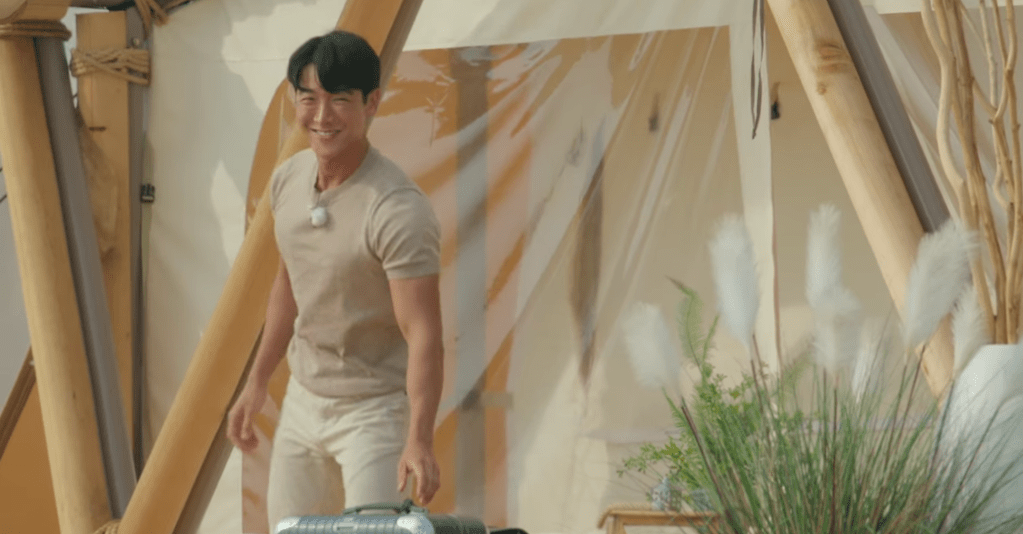
Yeawon & Junsik’s first day on the island (look at their smiles^^) Photo Credit: Netflix
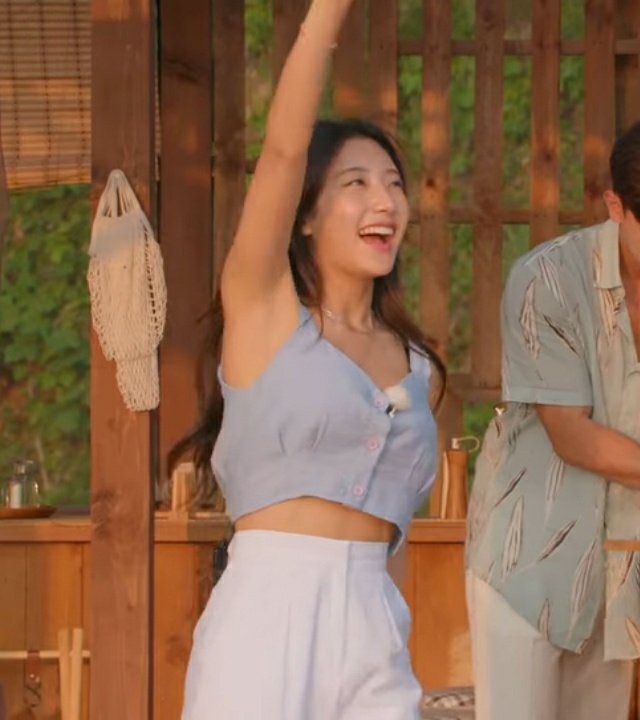
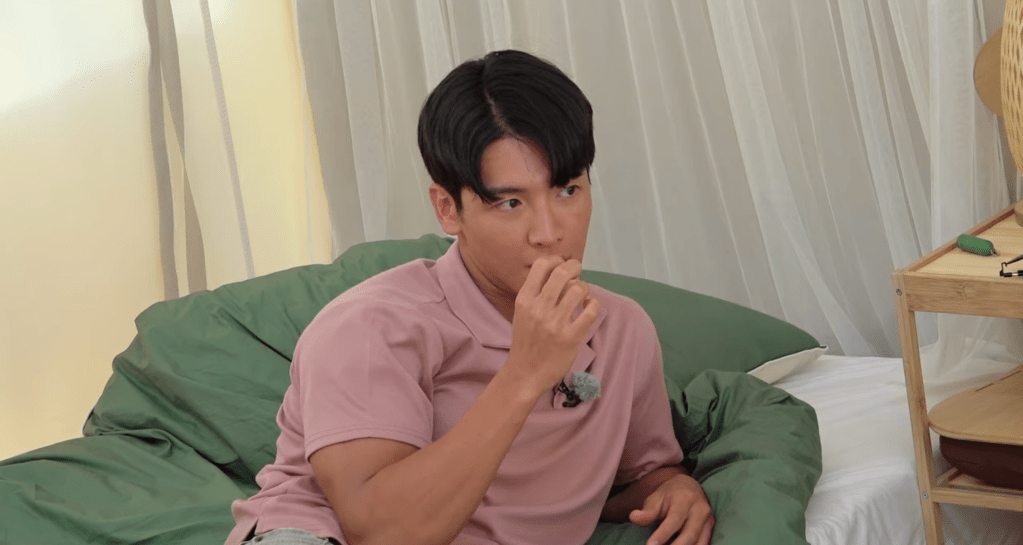
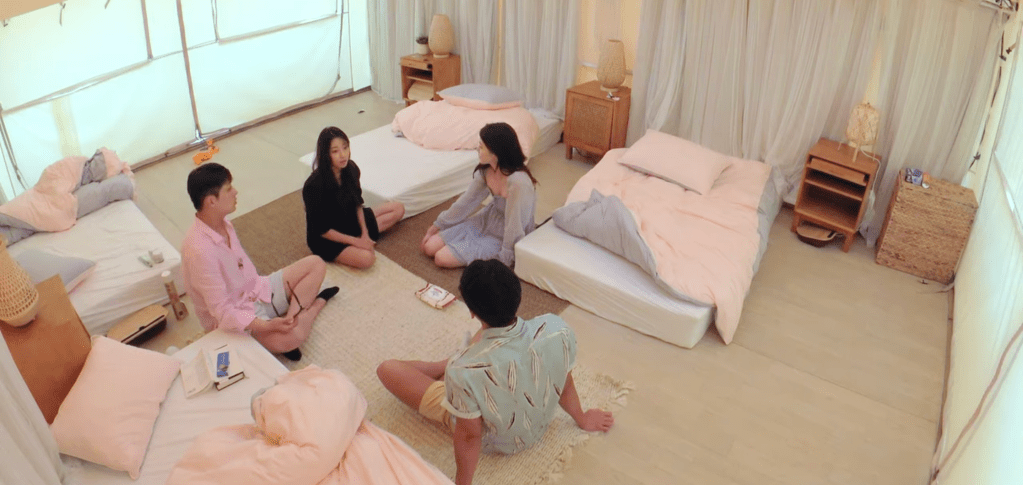
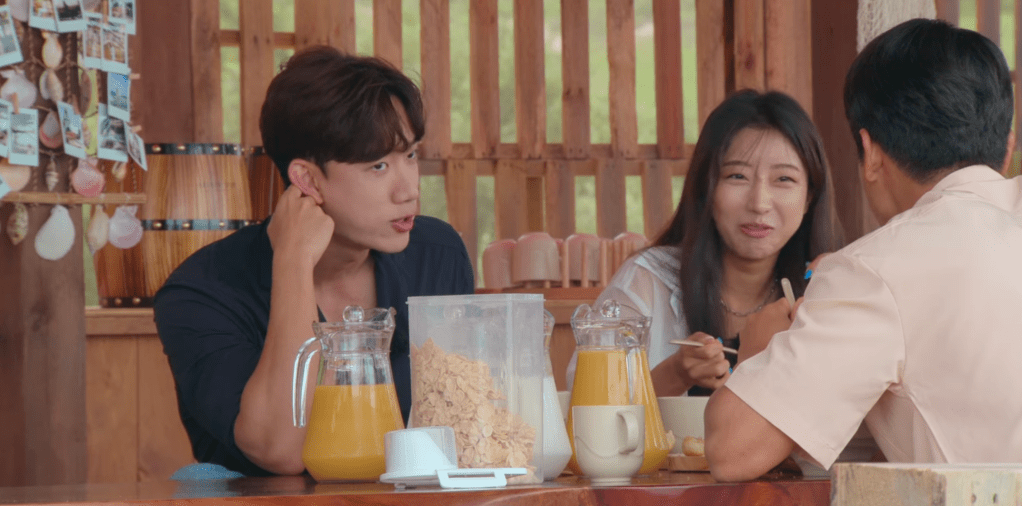
Okay so I just finished watching the Netflix series, Singles’ Inferno, in 2 days and I still cannot get over my favourite couple (Yeawon & Junsik) so I decided to revive this blog to squeal about them. I originally wanted to give this show a miss because I am usually not a fan of dating reality shows but since I was stuck in quarantine with pretty much nothing to do I eventually decided to watch it. I was totally not expecting to end up being so invested in Yeawon and Junsik. Now I understand the appeal of trashy entertainment shows with pretty people showing a lot of skin every chance they got. Sadly, my favourite couple did not get a lot of screentime (Netflix I’m looking at you):( Nonetheless, the moments the audience got of the two were super cute and sweet.
Also, since Netflix gave everybody crumbs I just had to watch the series again and I was sure glad I did because I found more interactions between the couple that I missed the first time. I had to exercise some detective skills but the extra bits I could find of them in the background helped me piece together a little more of their story.
The First Meeting: I’ve Fallen For You
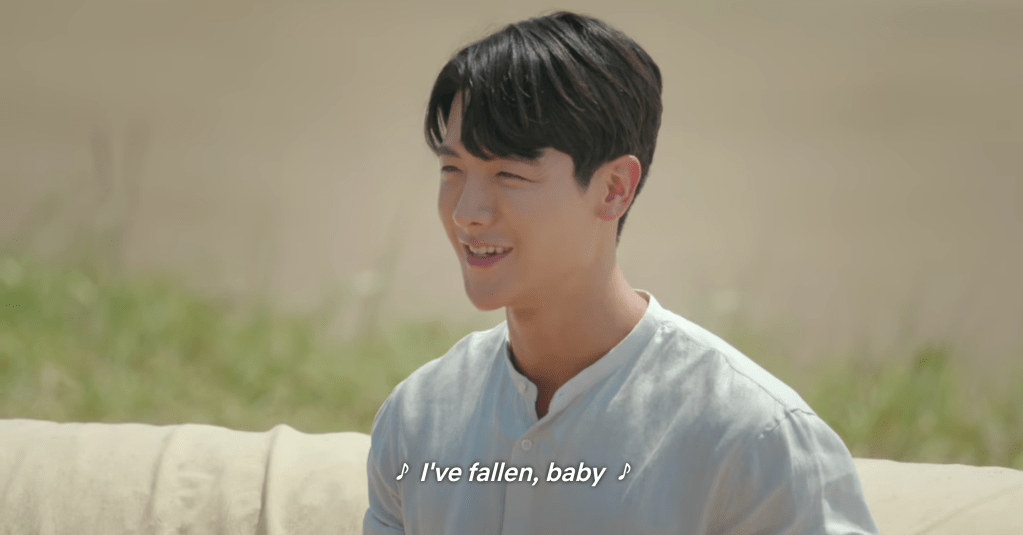
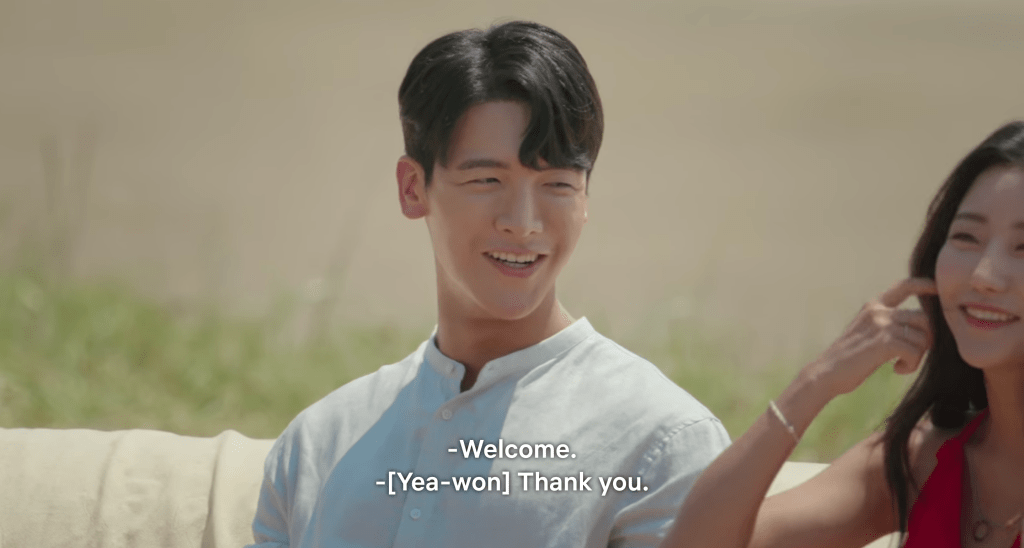
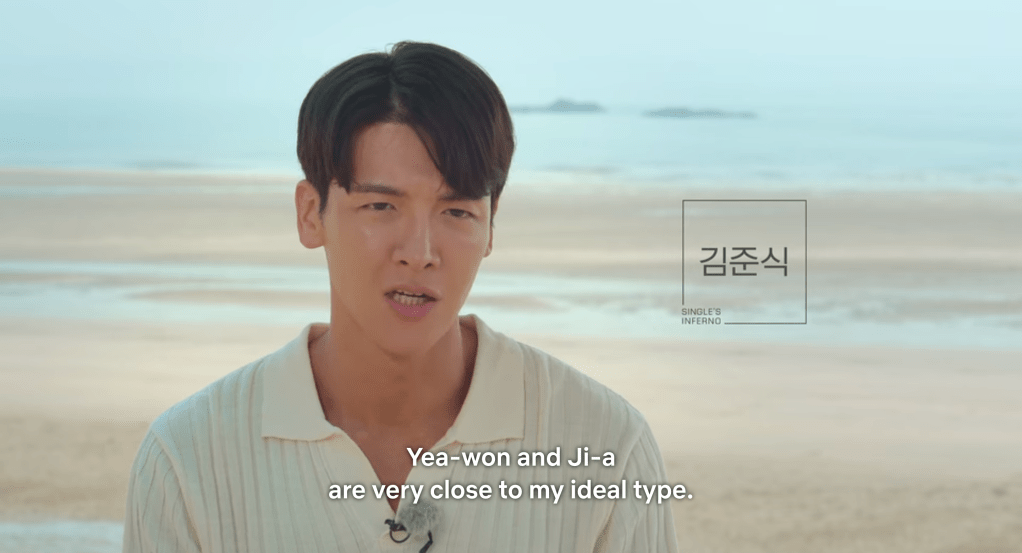
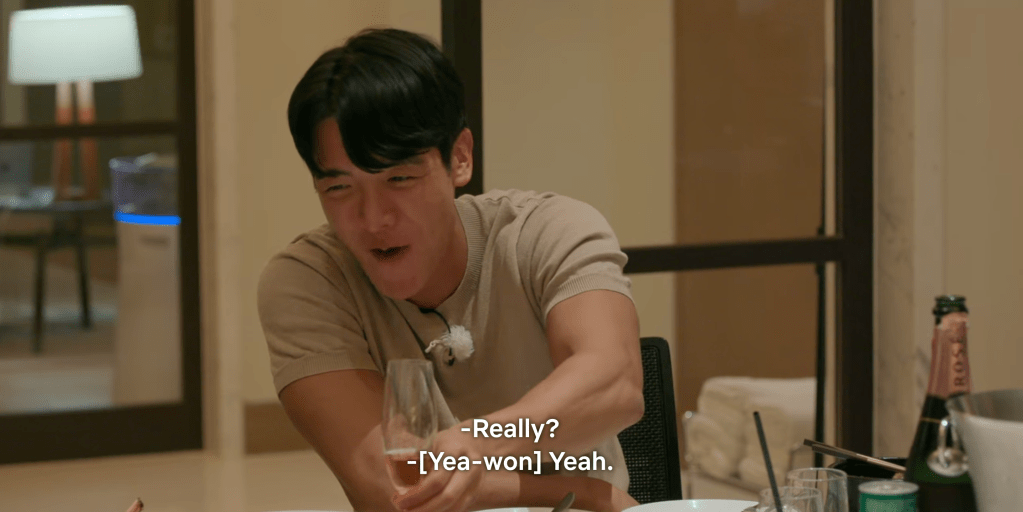
Yeawon looking gorgeous as she made her entrance. Photo Credit: NetflixYeawon’s entrance brought forth multiple gasps of ‘Wow’ from her fellow castmates but guess who was also looking at her the whole time? At least the producers were on point with their song choice Photo Credit: NetflixBy some coincidence (or fate?), Yeawon sat next to Junsik and he talked to her for the first time. I felt like this was the start of something special between them because we could often see these two sitting side-by-side in group settings in later episodes. Photo Credit: NetflixYeawon probably made a great first impression because Junsik names her as one of the girls who were his ideal type. Photo Credit: NetflixAww he loves her satoori too Photo Credit: Netflix
So many things were going on in this introduction scene that I absolutely missed all these hints of Junsik’s attraction towards Yeawon on my first watch.
The One-Man Woman
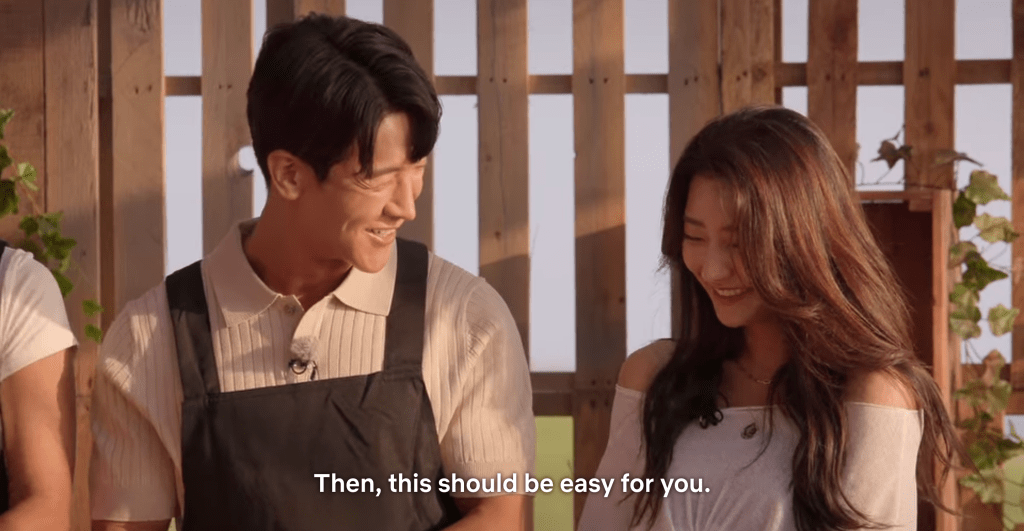
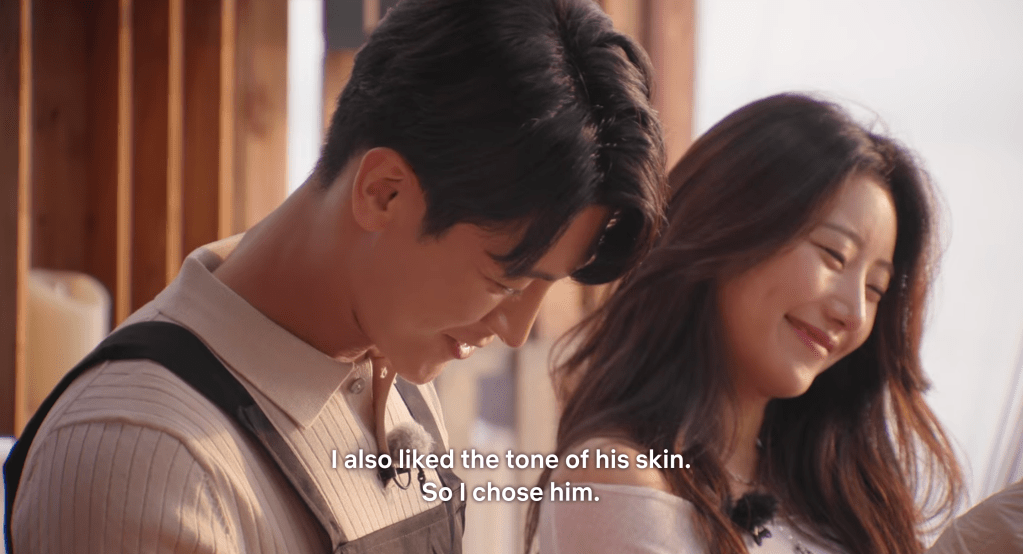
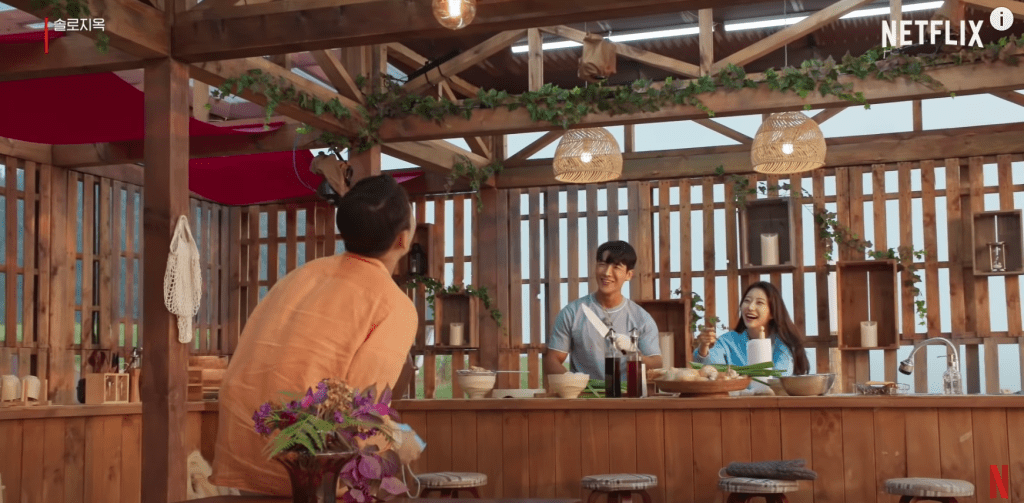
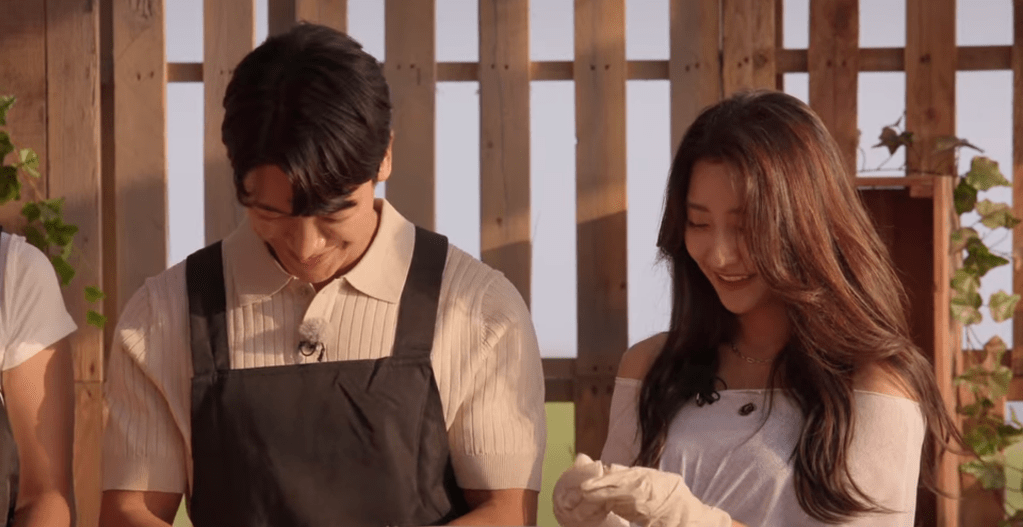
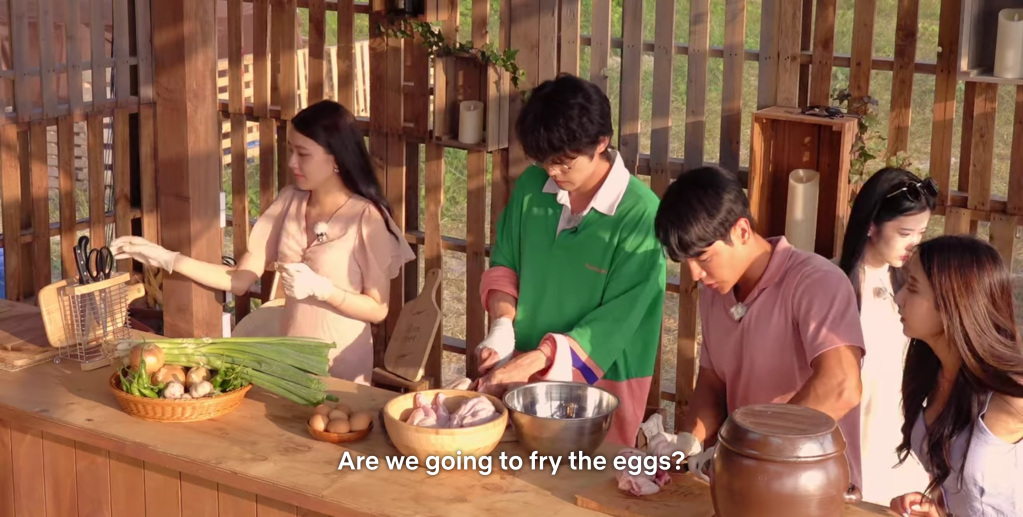
After the introductions were done, the group went to the kitchen to make dinner. Yeawon was being her usual charming self while she and Junsik were preparing the ingredients together. Photo Credit: Netflix
However, we find out later that Yeawon was actually flirting with Junsik because she picked him as her match on the first night and wrote him a postcard. Photo Credit: Netflix
*Bonus* I squealed when I saw this on my second watch. Yeawon looks like she was helping Junsik to put on an apron? So girl was making more moves during that cooking session on the first day? Photo Credit: Netflix
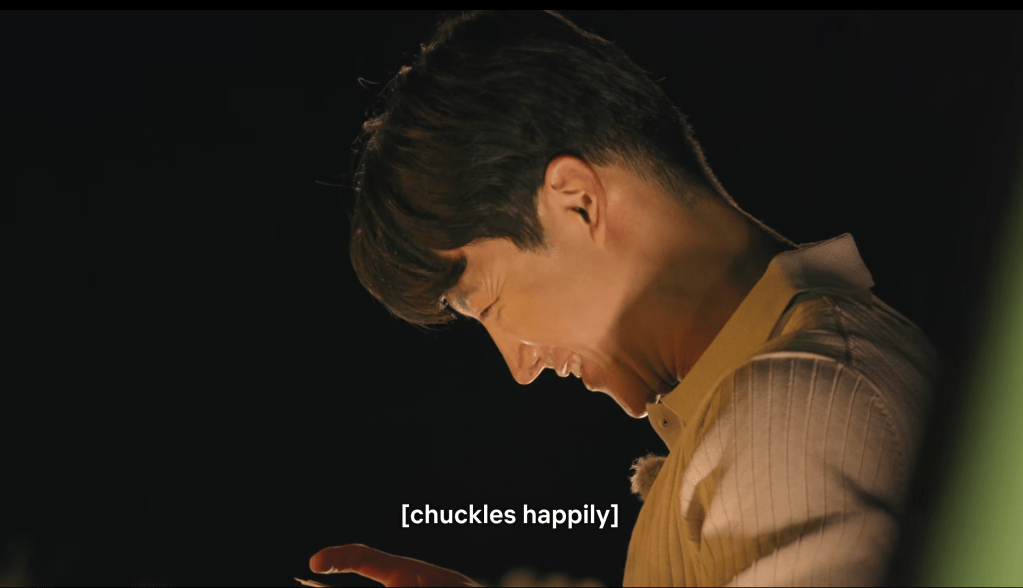
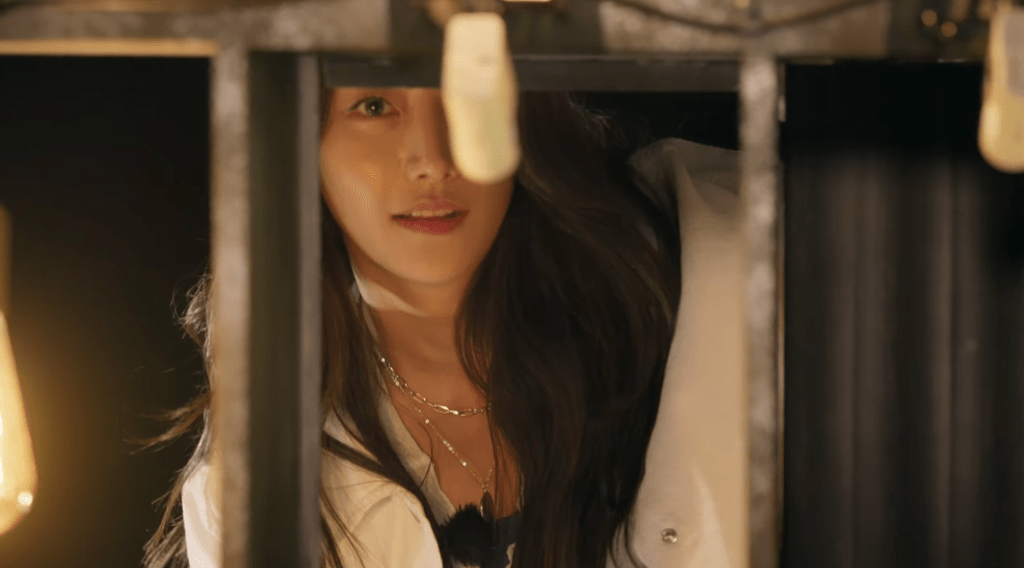
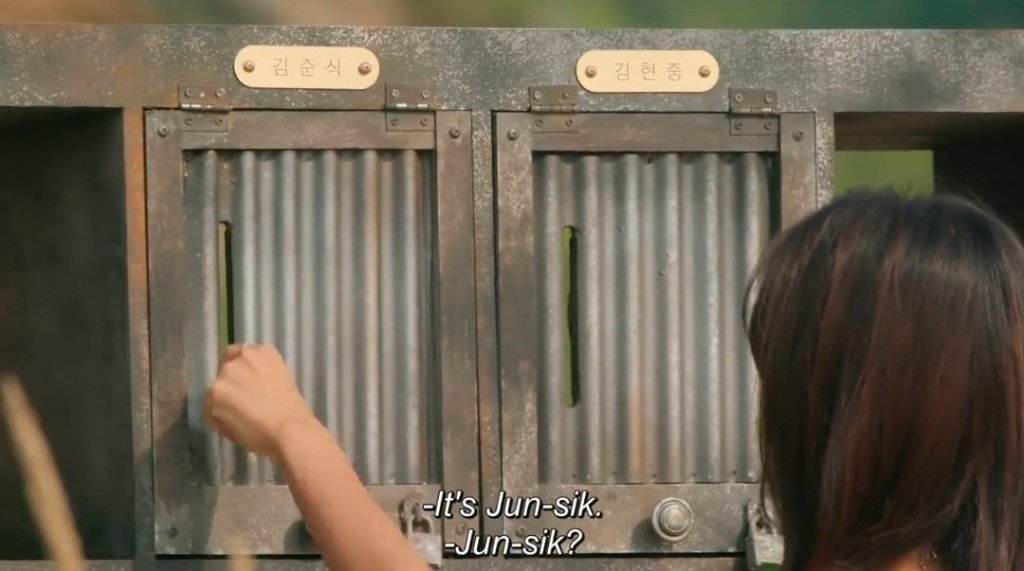
LOL Junsik was so happy reading that postcard from Yeawon (Too cute!). Photo Credit: NetflixUnfortunately, Junsik (like almost every other male participant in the series) was showing interest to Ji-A at this point so he didn’t write her a postcard. The way her eyes looked when she realised her postbox was empty and how she still smiled when she went back to the other girls broke my heart:( I started rooting for her and hoped she could have her happy ending. Photo Credit: NetflixThe next day rolled around and the girls had to vote for the guy they wanted to go to Paradise with. Only the couple who picked each other could go to Paradise. Once again, Yeawon picked Junsik. Photo Credit: NetflixHalf a day is too short a time for anything significant to change and Junsik continued to show interest in Ji-A. Photo Credit: Netflix
This meant that Yeawon became the only girl left on Inferno while the other girls went to Paradise with their matches. My heart broke for her again T.T Photo Credit: Netflix
Yeawon’s unrequited interest was so relatable. She was bubbly, friendly, kind and had the amazing talent of making people around her feel comfortable but the guy she likes was looking at someone else.
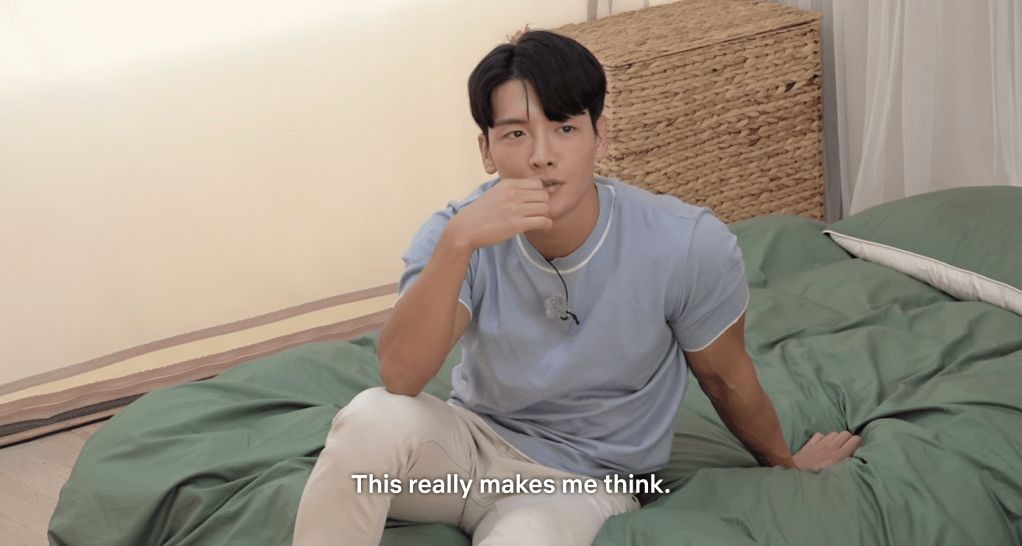
Interestingly, Junsik’s failure to pair-up with Ji-A got him to think about other options (Yes look harder Junsik there is one pretty gem waiting for you). I think he realised that Ji-A wasn’t the one who wrote him that postcard. Now, he has to consider whether to continue pursuing a girl who isn’t even looking his way or a girl who likes him but he doesn’t know if he likes (he doesnt know Yeawon was the mystery girl). Could he have been hoping that the mystery girl was Yeawon? Photo Credit: Netflix
The Opportunity: Stuck in Inferno…or Paradise?
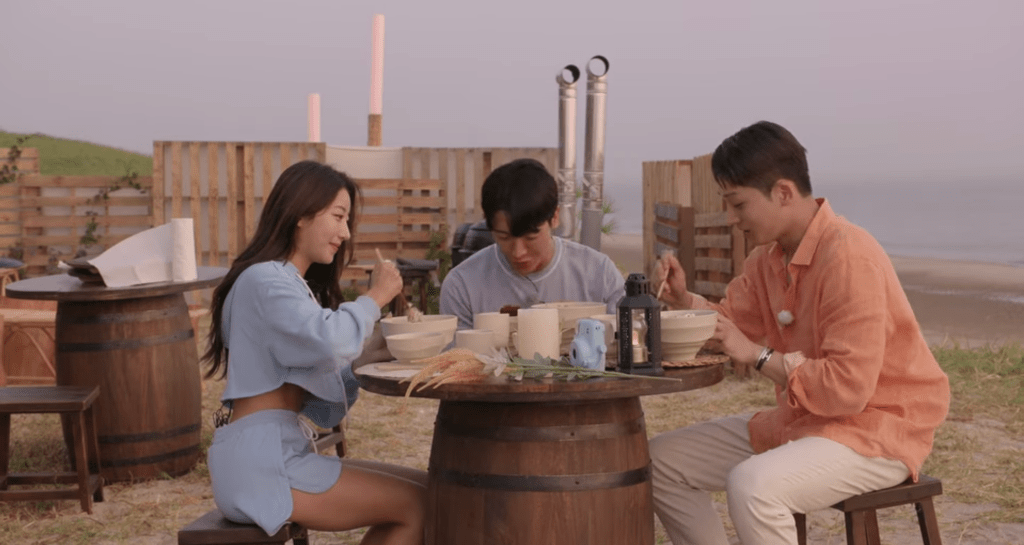
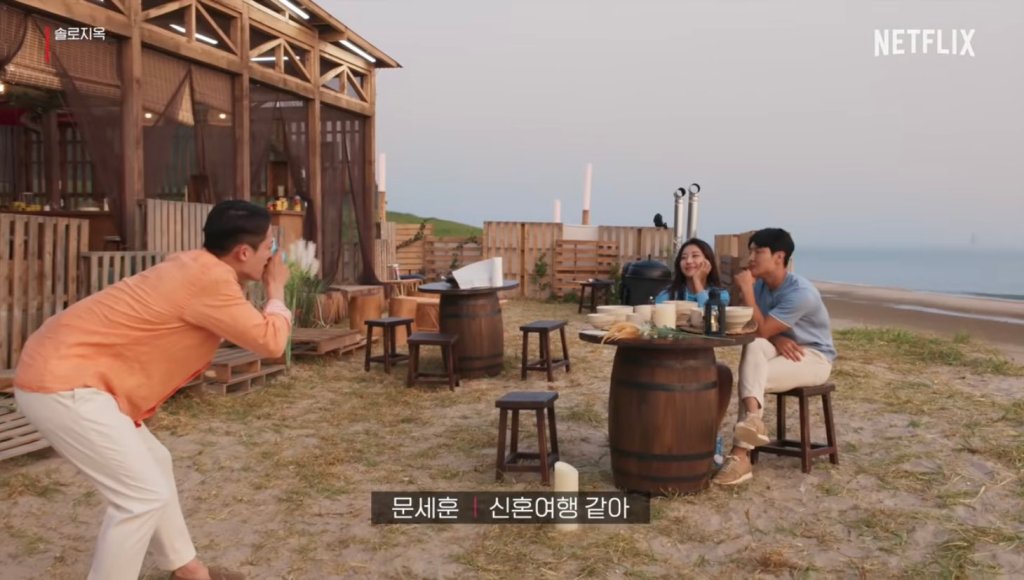
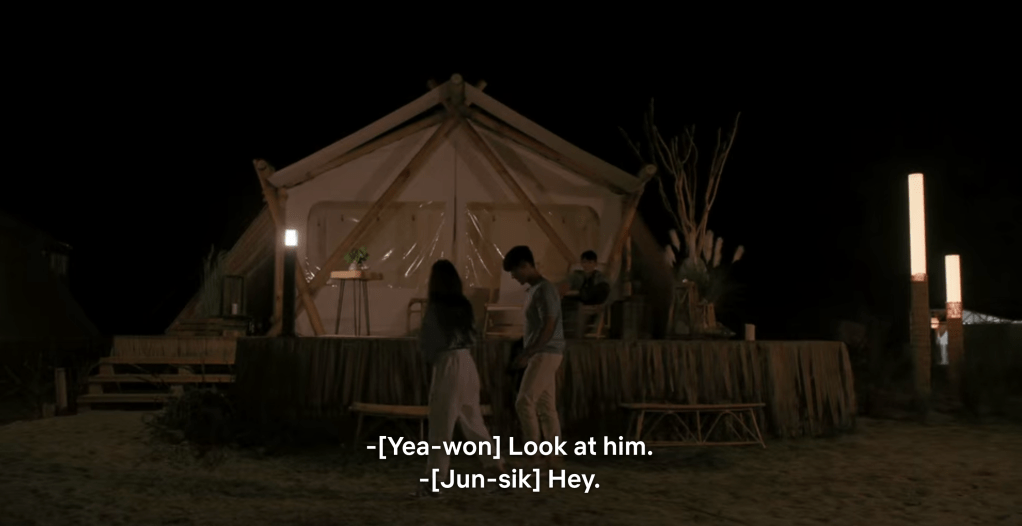
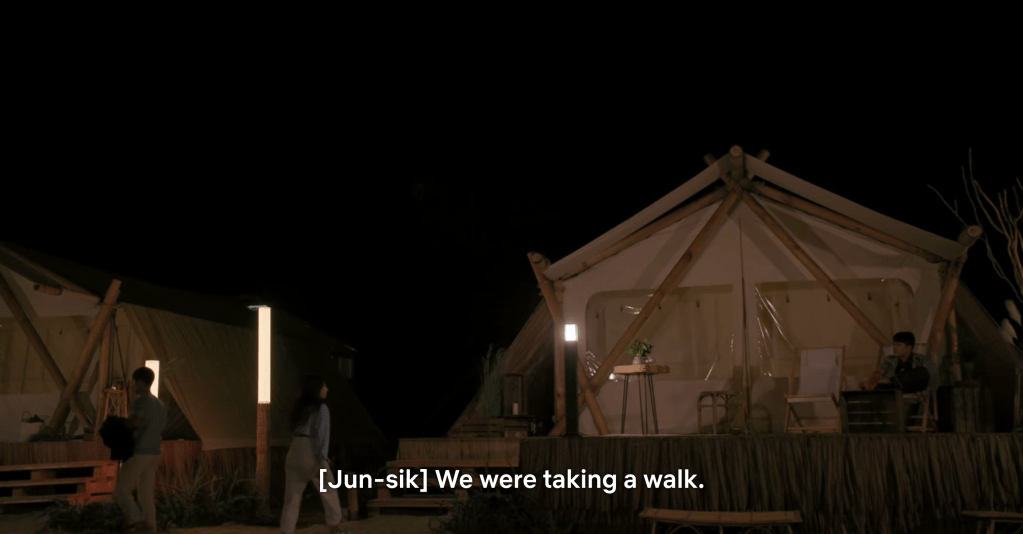
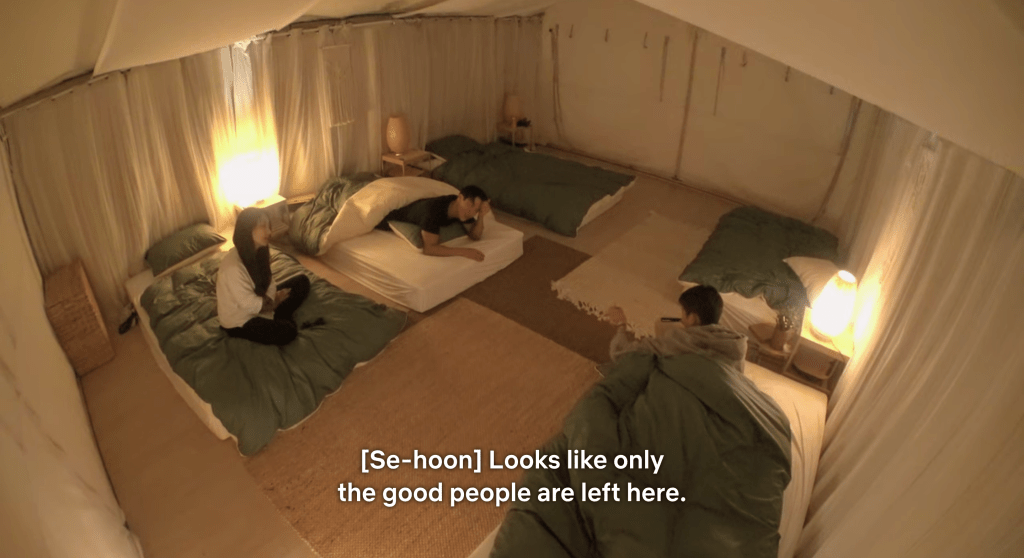
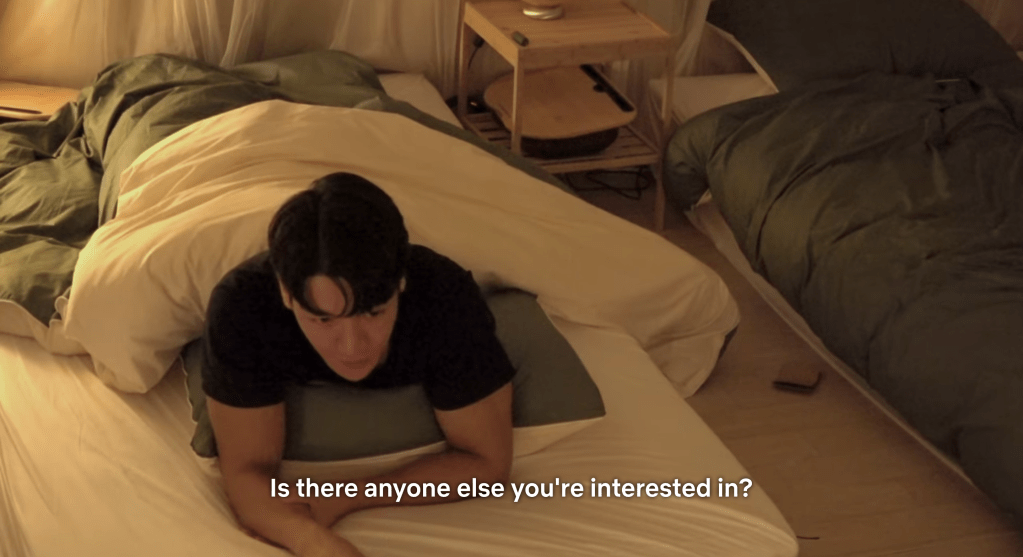
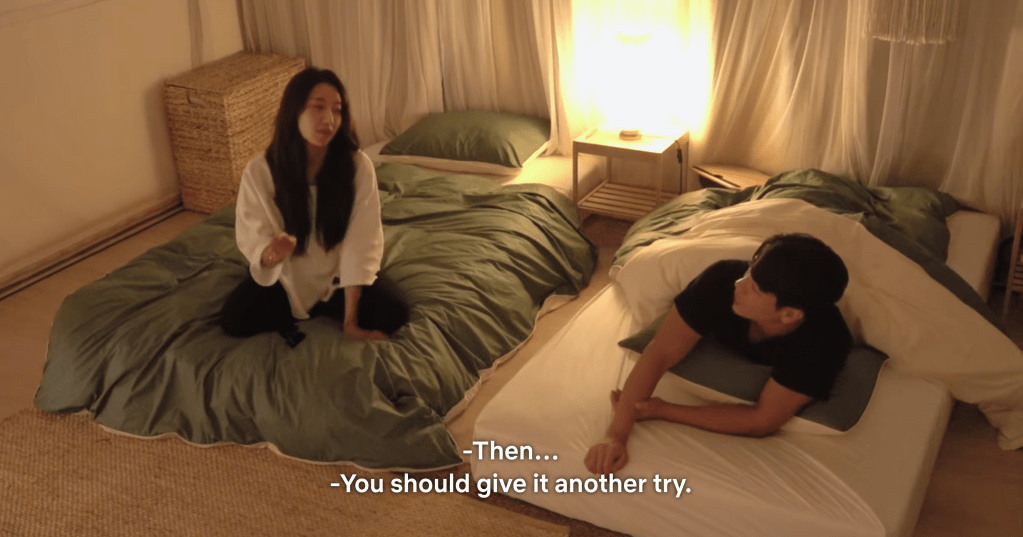
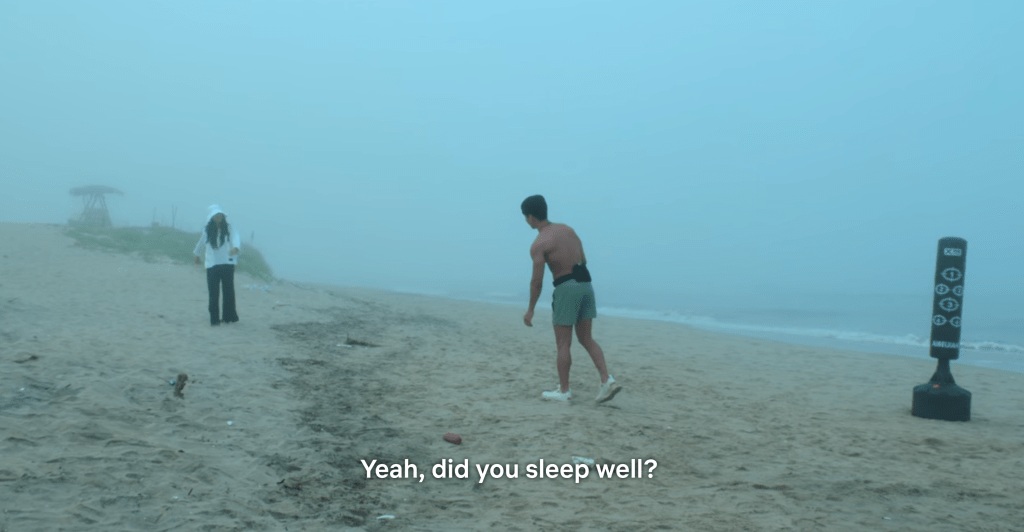
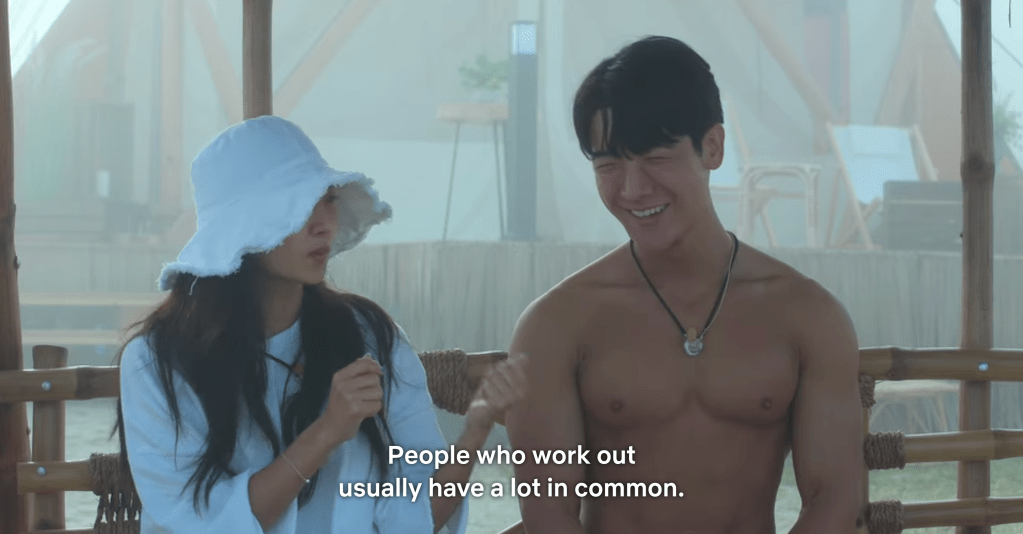
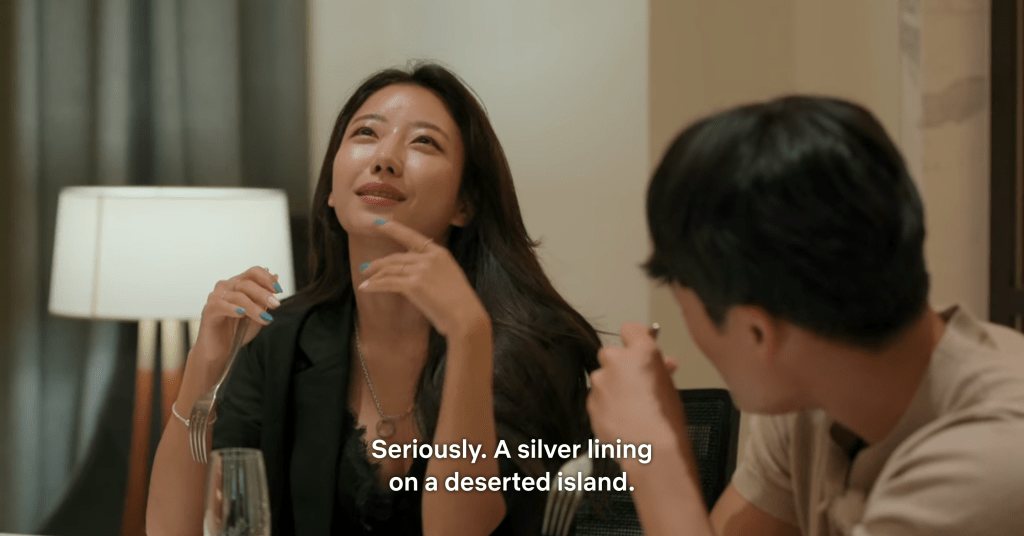
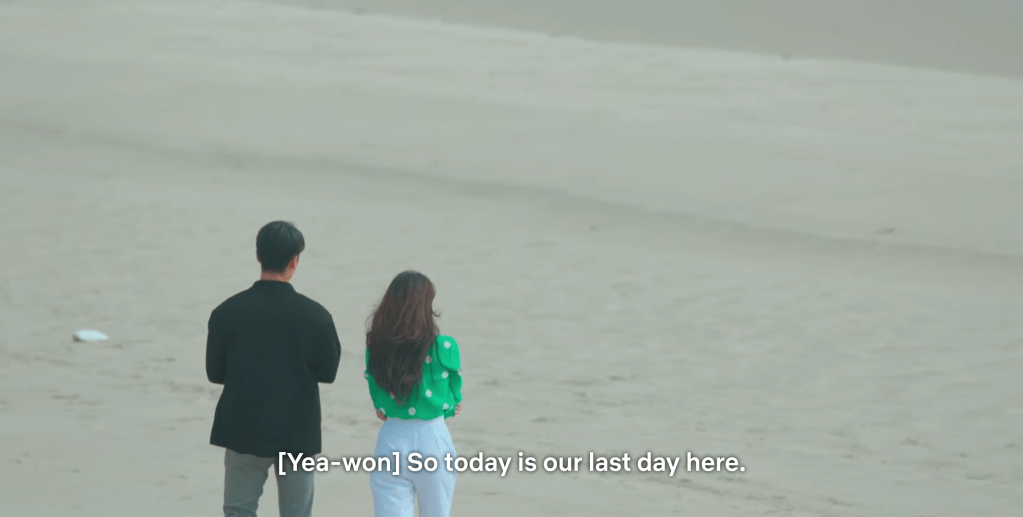
The Good News for Yeawon is that while Junsik didn’t choose her, the girl he chose didn’t choose him either. They are now stuck in Inferno together, with Sehoon which turned out to be a good thing too because his mopey self (after a failed pairing with Jiyeon) prompted Yeawon and Junsik who were both caring souls to band together to cheer him up. Yeawon was also coincidentally stuck with the two best cooks in the series so not going to Paradise didn’t seem so bad after all. Photo Credit: NetflixWhile the three were preparing dinner, Sehoon cheekily started taking pictures and we got many nice polaroids of Yeawon and Junsik from this cooking session. The two of them were even dressed for the occasion in their matching blue outfits. Photo Credit: Netflix Korea YouTube ChannelSehoon then got Yeawon to sit beside Junsik to take ‘Honeymoon’ photos. Thanks Sehoon for being an awesome photographer and the best wingman! Photo Credit: Netflix Korea YouTube ChannelThat night, it seemed like Yeawon and Junsik got closer because they came back to the dormitories together from somewhere (to see a still mopey Sehoon of course) Photo Credit: NetflixLo and behold turns out Yeawon and Junsik were out for a walk together (just the two of them without Sehoon). Photo Credit: NetflixAfter Sehoon invited Yeawon to move to the guys’ dorm for the night, Yeawon could be seen sitting on Junsik’s bed while he scooted over to Hyunjoong’s (so Junsik already felt comfortable enough with Yeawon to give up his bed to her?) Photo Credit: NetflixYeawon and Junsik then began their counselling session for the still sad Sehoon. I found it quite cute that their advice was basically from their own experiences. Junsik had someone else he was interested in besides Ji-A i.e. Yeawon hence he asked Sehoon this question. Photo Credit: NetflixMeanwhile Yeawon’s eyes were only for Junsik which was Sehoon’s case with Jiyeon. It was not surprising then that Yeawon gave this advice to Sehoon. It felt like she was giving the advice to herself too because she was looking at Junsik while she said it. (Once again I’m praying hard that things go well for Yeawon and Junsik). Photo Credit: NetflixThe next morning came and Yeawon went to look for Junsik who just finished his morning workout. The sky was foggy but it was becoming clearer that the hearts of these two were slowly making their way closer to each other. Photo Credit: NetflixYeawon trying her best to find more commonalities with Junsik. (It’s okay girl he looks smitten with you already.) Photo Credit: Netflix
I really felt for Yeawon here because she must have thought this was her last chance to appeal to Junsik. Being stuck (almost) alone with him on Inferno was as good a chance to get him to notice her as she could get. By this point, everyone just could not wait to see them both go to Paradise together already.
The Couple who found Their Match…finally
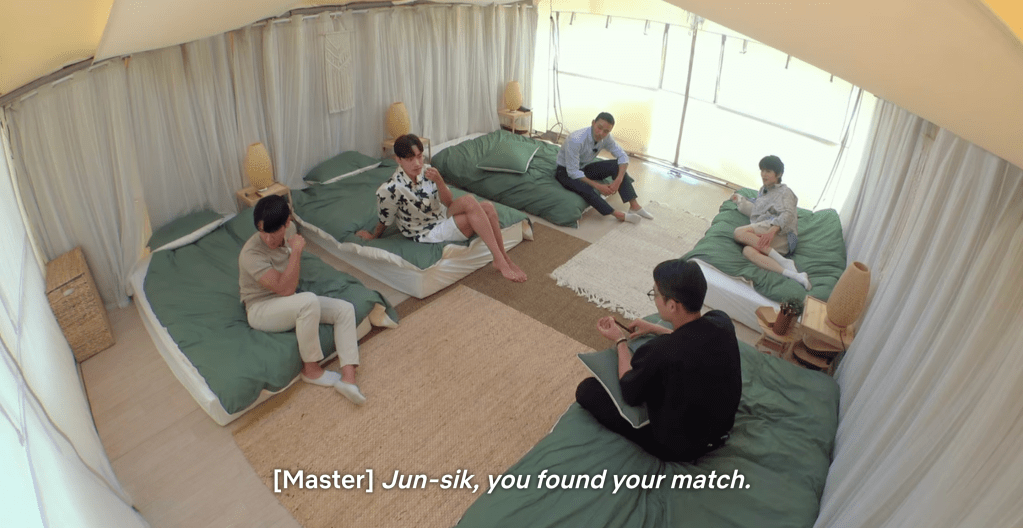
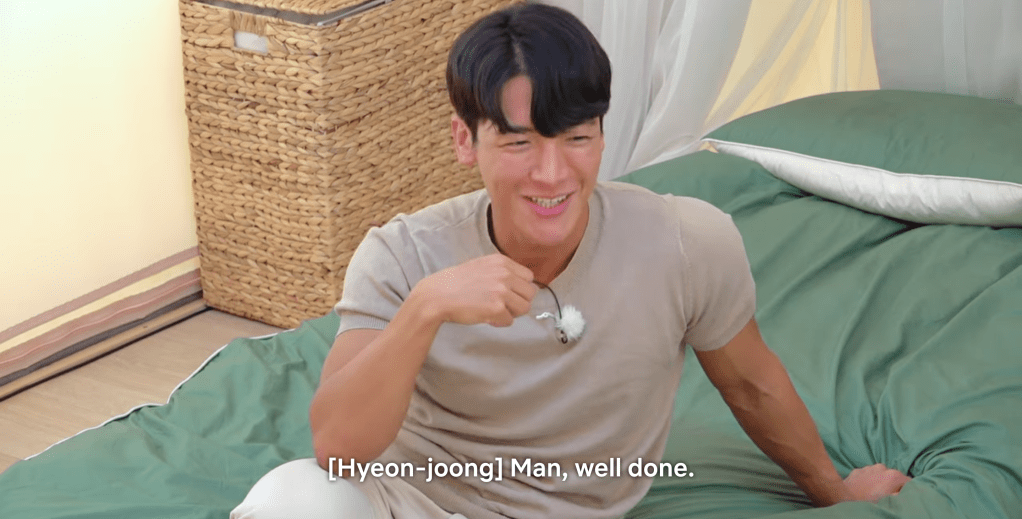
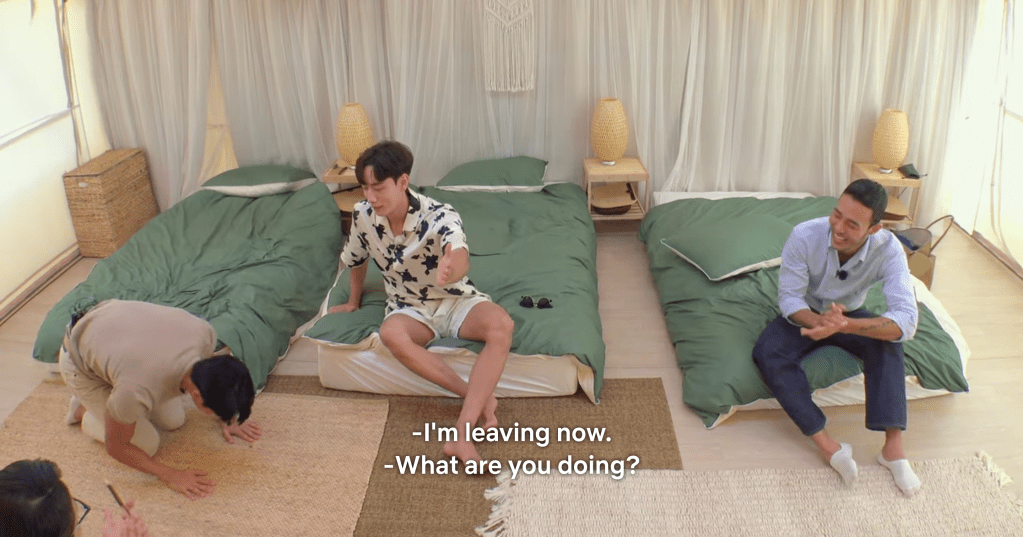
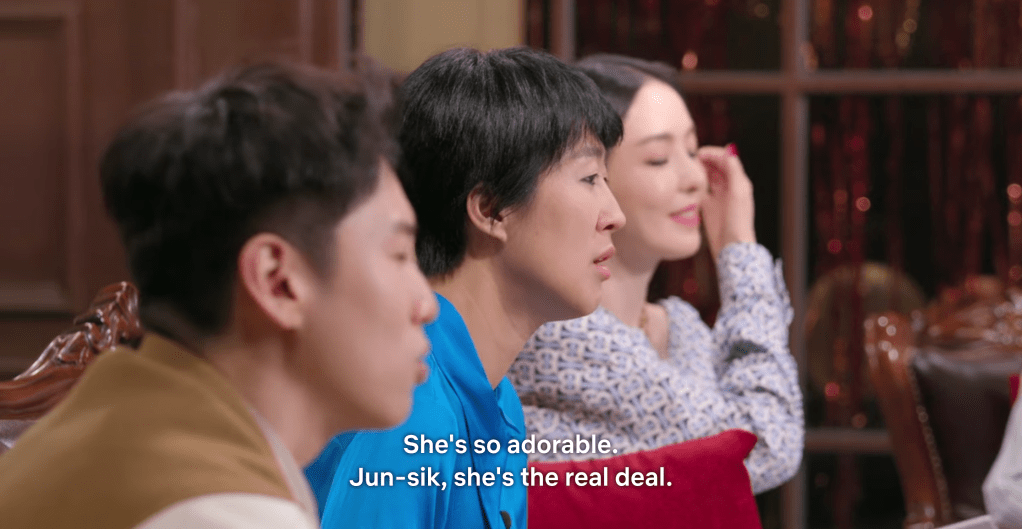
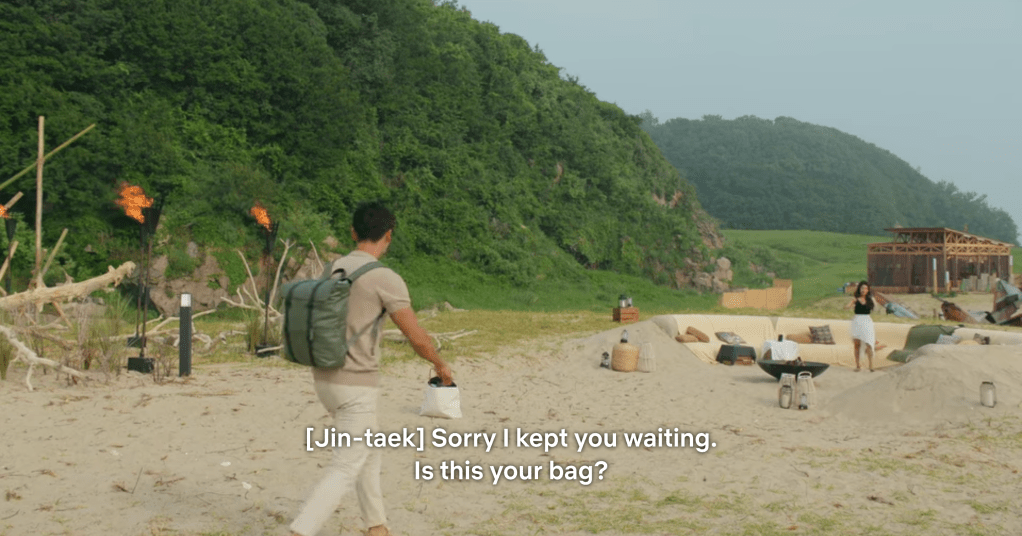
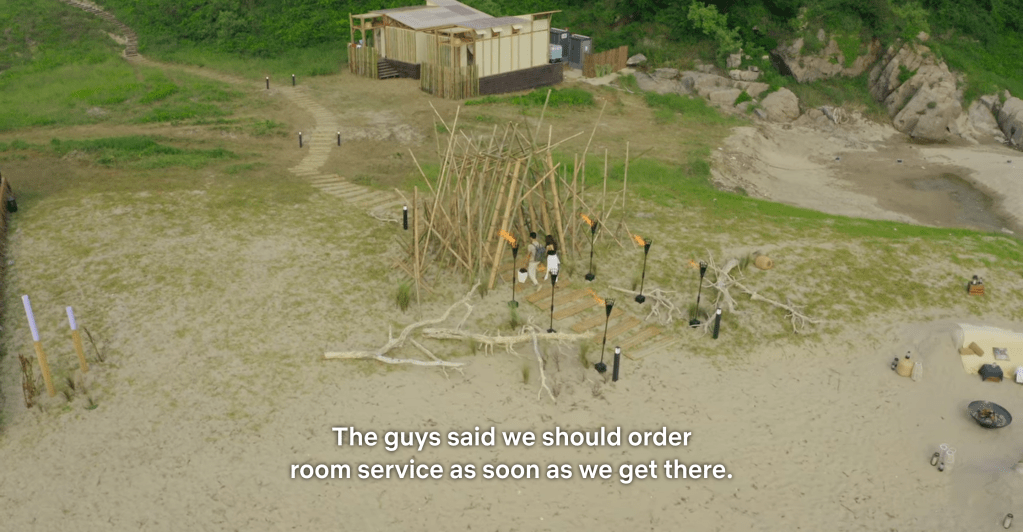
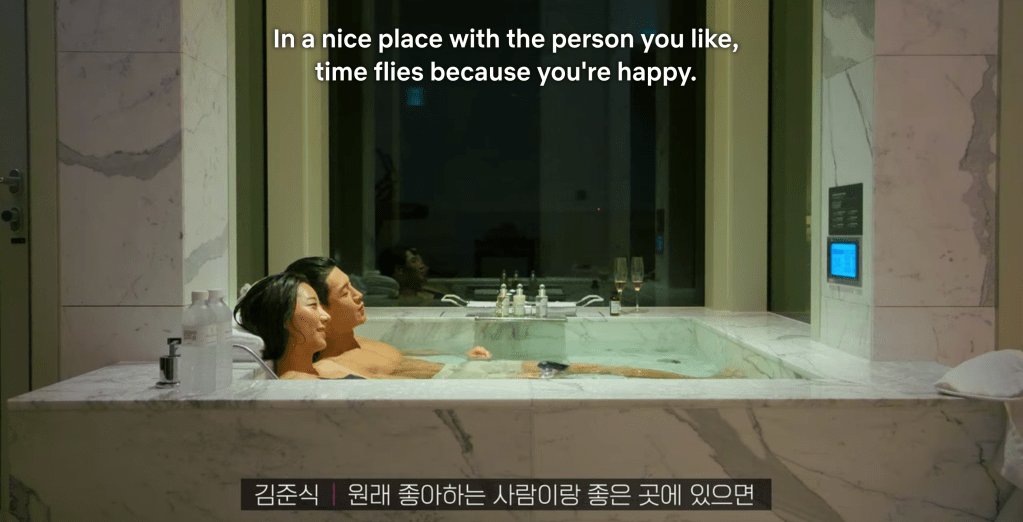
As usual, Yeawon was unwavering in her choice of guy she wanted to go to Paradise with. Photo Credit: NetflixMeanwhile, the said guy was so worried. Photo Credit: NetflixThey finally chose each other! (*cries*) Photo Credit: NetflixJunsik was just soooo happy hahaha Photo Credit: NetflixThen again how could he not be? He really got the real deal. Yeawon has charming looks and a great personality too.Yeawon is so happy to see him. Photo Credit: NetflixThe way he was looking at her while picking up his bag (*screams*) Photo Credit: NetflixAwww the first thing he did when he came down was to apologise to Yeawon for keeping her waitingT.T Oh Junsik you don’t know just how long that girl has been waiting for you. Photo Credit: NetflixThis was too funny they were both so excited to go to Paradise that they started planning what they were going to do first even before they left Inferno. Photo Credit: NetflixIn Paradise, Yeawon could finally confess to Junsik just what he meant to her (*SO SWEET*) Photo Credit: NetflixHis happy face when he heard Yeawon’s confession. Photo Credit: NetflixThe night ends with both of them having a soak together in the bathtub and Junsik making an indirect confession (?) Photo Credit: Netflix
I would have liked to see more of their time together in Paradise seeing that it took them longer than the others (minus Sehoon) to get there but I am still very happy they both ended up in Paradise together.
Unfortunately, their screentime as a couple just went downhill from here but if we looked hard enough we could find clues of why this couple was endgame. Here are just some of my thoughts based on the crumbs I could find:
She wants to do their hobbies together.
Photo Credit: Netflix
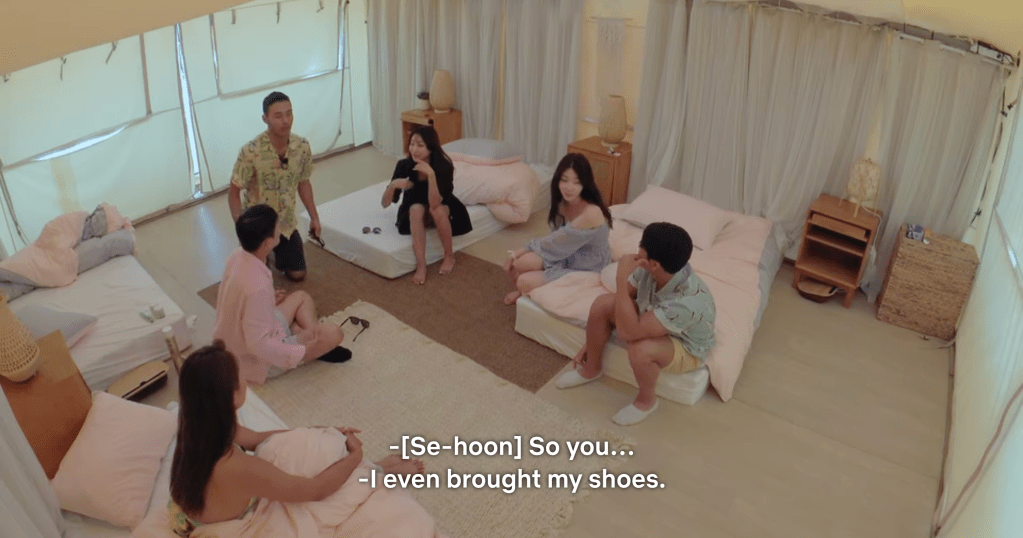
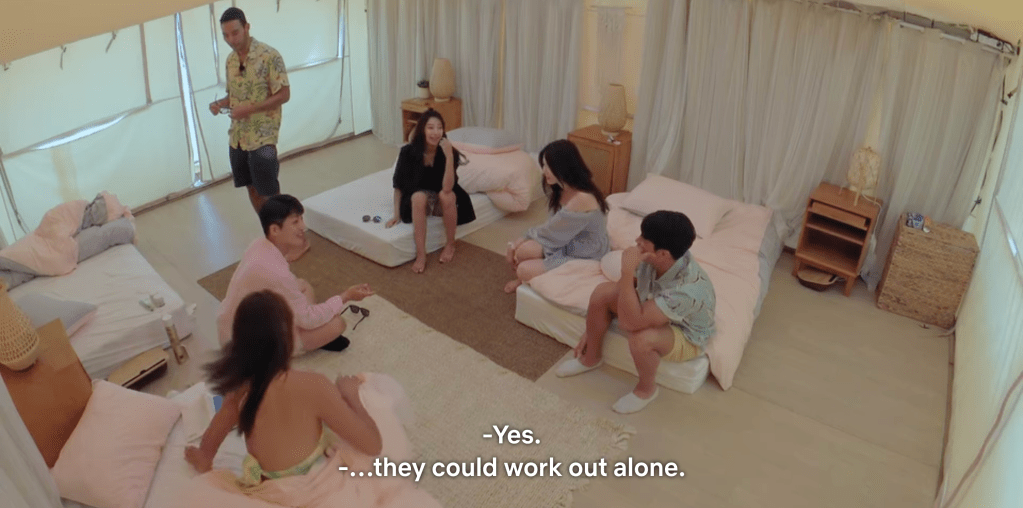
From the disjointed conversation between Yeawon, Junsik, Sehoon and Jiyeon (because things were chaotic with the guys all fighting to catch the girls for a chat), it seemed like Yeawon brought her workout shoes to Paradise to go workout with Junsik in the morning but was disappointed that Junsik did not wake her up so both of them ended up working out alone(?). Wanting to do hobbies together is such a Yeawon thing because she did mention many times before that she liked how Junsik and her share a love for working out.
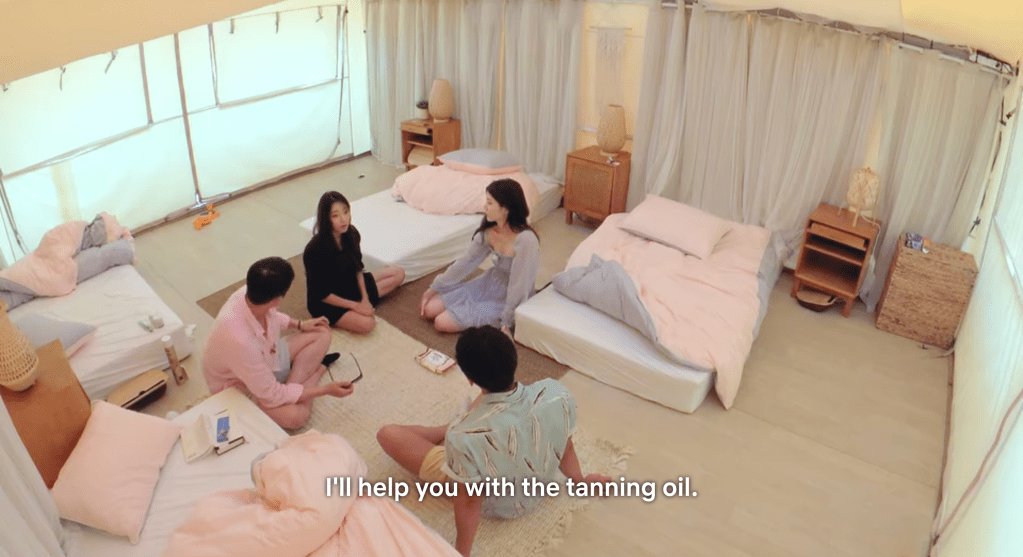
Bonus: She even offered to help Junsik put on tanning oil (*gasps*). Perhaps she was suggesting that they go out to the beach for a tanning session again together?
2. He takes care of her.
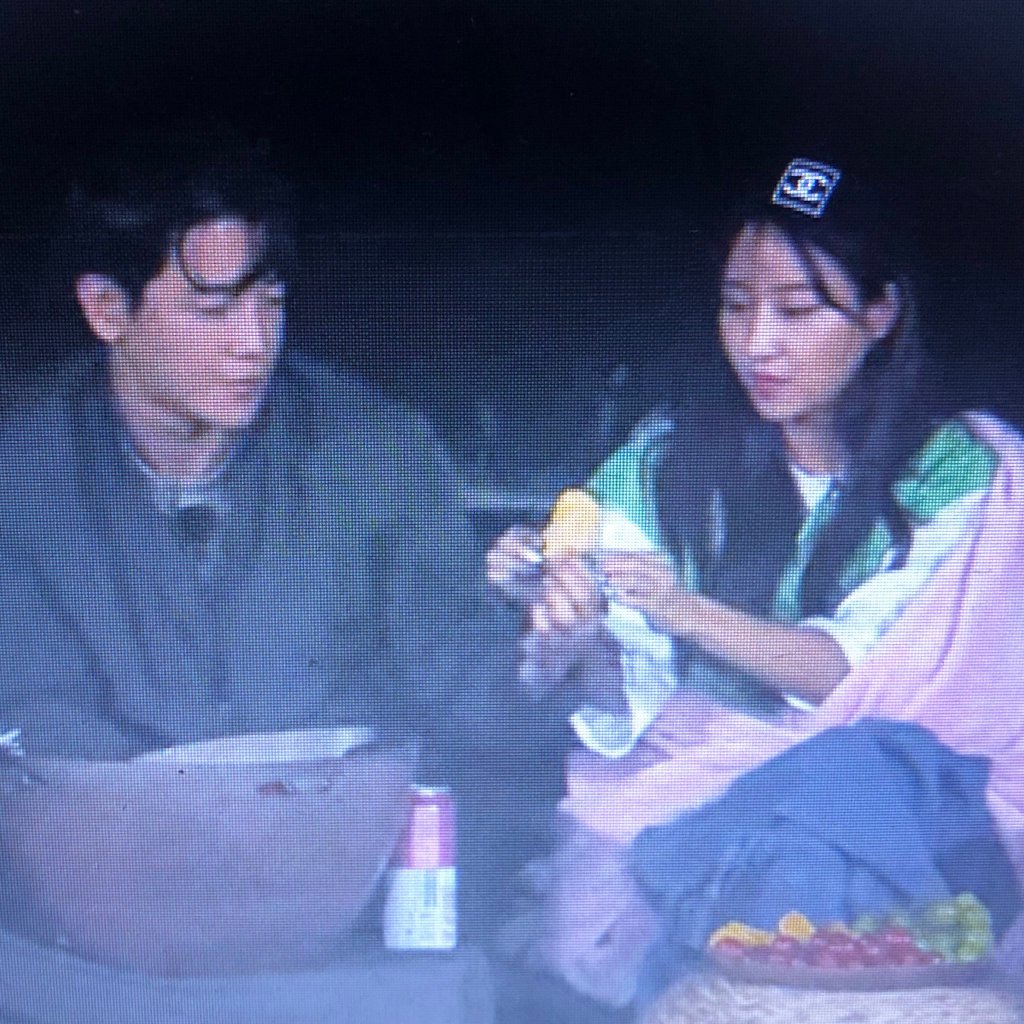
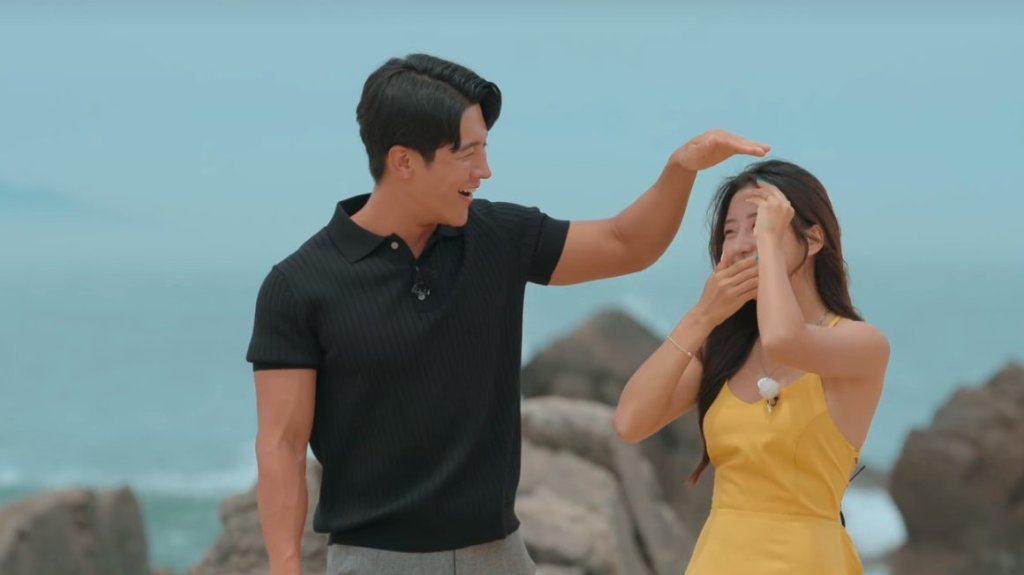
Junsik ‘scolding’ Yeawon for not wearing thicker clothes. This couple is seriously giving me old married couple vibes. Photo Credit: NetflixJunsik passing Yeawon a goguma (sweet potato). Photo Credit: NetflixJunsik shielding Yeawon’s face from the sun. (The sweetest~~) Photo Credit: Netflix
Junsik may not be the most expressive with words when it comes to romance but I think his actions show how he really likes Yeawon.
3. They’re both perfect for each other.
They’re both easily the most supportive of their friends among the cast members i.e. always hearing other people’s worries out and giving them advice. Photo Credit: NetflixA couple who waves together stays together. Photo Credit: Netflix
In a blink and you’ll miss it moment, you can see someone else’s hand waving together with Yeawon. I’m guessing it was Junsik as he was the one who told everyone that the helicopter was leaving. Yeawon is like the brightest ball of sunshine and Junsik is like the perfect person who matches well with her. Photo Credit: Netflix
He’s a cutie too:) Photo Credit: Netflix
So it made me absolutely devastated when the person Junsik had to wave goodbye to was YeawonT.T But it showed just how respectful and understanding of her he was (Too too sweet ahhh). Photo Credit: Netflix
4. They only have eyes for each other.
Guess who was cheering the loudest when Yeawon was running right behind Soyeon Photo Credit: NetflixAnd the person at the end of Junsik (blue cap)’s gaze was… Photo Credit: NetflixYup Yeawon:) Photo Credit: NetflixWhen the new guy (Hyunseung) told the other guys that he found Yeawon very charming and couldnt stop laughing when he was talking to her, this was Junsik’s expression. Photo Credit: NetflixThat evening, Yeawon was asking Hyunjoong if he was feeling alright after Ji-A went on a walk with Sihun and the camera pans to Junsik looking over at them. Photo credit: NetflixYeawon looks to Junsik for support when she realises things were getting awkward between Sehoon and Jiyeon.And again when Hyunjoong was complaining that he couldn’t sleep thinking about Ji-A and Hyunseung spending the night together in Paradise. Photo Credit: NetflixJunsik was worried about Yeawon having to go up against Soyeon and kept looking over even though he was standing right beside Ji-A (his partner for the game and the girl he had also been interested in).Yeawon went to back to stand behind Junsik after the game. Photo Credit: Netflix
5. He listens to her.
Junsik was already planning to make omelettes but changed his mind. Photo Credit: NetflixBecause a certain someone asked about fried eggs Photo Credit: Netflix
The most underrated and unproblematic couple
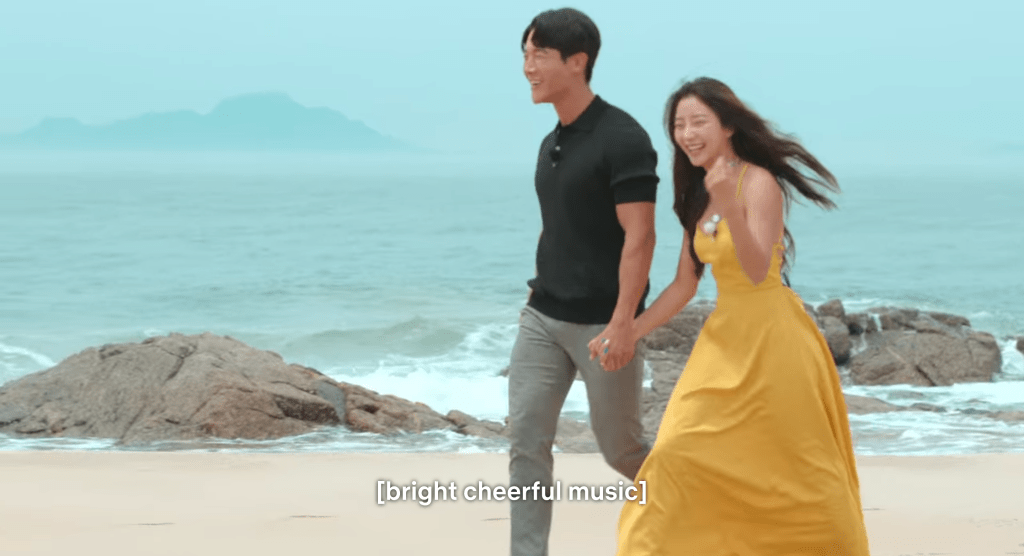
What started with a walk……ended with a happily ever after.
It has been a joy watching them on Single’s Inferno. While the other couples were interesting as well, no one else got me so hooked like they did. Hope these two could find their happily ever after together IRL too:)
Hi Netflix producers, if you’re reading this please release more unaired cuts of these two. Thank you!
This week, I will be doing a round-up of all that I have done thus far for Assignment 2.
As I was preparing for the individual presentation on 4 November, I went on a trip down memory lane as I was doing up the slides, reminiscing on my project journey for the past semester. All in all, this project has been a meaningful one for me because I got to overcome new challenges. I managed to do things that I otherwise would not have done if I was not doing them for the project. I could also step out of my comfort zone and most importantly I had a lot of fun trying to think of interesting tasks I could do. Furthermore, I am happy that I could share a glimpse into my life as a Hallyu fan, especially for people who are not really familiar with K-pop or K-dramas.
On 4 November, D-day for the presentations, I was really excited so I made sure to come on time at 9am (our professor had wanted to start earlier as everyone was presenting on the same day). To my surprise, when I entered the seminar room, no one else had arrived yet and the room was pitch back. Suspecting that the class might have been pushed back to its usual timing of 10am, I checked my NTUlearn and true enough I had apparently missed out on a message informing the class that presentations will begin at 10am instead. Disappointed, I brushed it off, blaming myself for not having checked the message which had been sent out the previous day. However, little did I know that this actually signalled a bad start to the day and my presentation that was to come.
Since I had arrived early, I had planned to be one of the first few to present but things did not go as I had wished because as I was still hesitating over whether to present, many others were quicker than me and started volunteering to present before I could. Before I know it, it was already lunchtime.
During lunchtime, I plucked up the courage and approached Professor Liew to ask if I could be the first to present after lunch. He readily agreed. Yet, just when I thought things were finally going smoothly, some of my classmates brought it to his attention that there was going to be a final year project (fyp) seminar in that same room at 3pm and it was already 2pm with half the class who have not yet presented.
Therefore, I ended up having to rush through my presentation with a distracted audience who were still munching on their food and a tired-looking Professor who has already sat for numerous presentations prior to my own. At 3pm, the class shifted locations but only a handful of students were left as most of the class had left due to the fyp seminar. Finally, at around 4.30pm, the last presenter presented and we completed the marathon of presentations. At this point, I had been in a classroom for more than seven hours, the longest I have ever been in one since my university days started.
Despite some hiccups along the way, there was still a silver lining in the cloud because our professor actually treated us to pizza for lunch which made the experience so much more pleasant and bearable. In fact, the overall presentation experience was generally very memorable. With the conclusion of the presentations, my individual project thus ended.
Even though the individual project has come to an end, the feeling is immensely bittersweet because I enjoyed the process, hence the title of this blog update, “Not Over You” which is based on a NU’EST song title of the same name. While my project journey has concluded, my journey as a Hallyu fan has not and I greatly look forward to what else K-dramas, variety shows and K-pop has to offer.
Literary Analysis of Goblin & Hotel Del Luna (treatment of death in K-dramas)
Photo Credit: tvN
For this week’s blog update, I embarked on the task of writing about K-dramas, namely Goblin and Hotel del Luna. When I first watched the two dramas, I thought about how interesting it will be to compare them side by side because they do share a lot of common themes and I am glad that this assignment gave me a chance to do so.
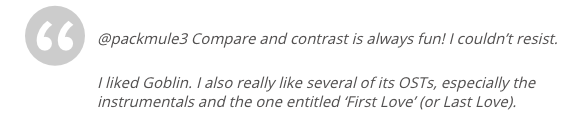
Since the topic will revolve around ghosts a lot, I decided to name this update after NU’EST’s song, “Beautiful Ghost”. It is surprising how despite the obvious parallels between the two dramas, not many people have written something that makes comparisons of the two. Luckily, I was able to find a blog post written by a blog user, “packmule3”. The user and a friend, another blog user, “growing_beautifully” discussed some of the commonalities between the two dramas while inserting some of their own candid comments within the post. The post was a joy to read and it provided an extremely helpful framework for me when I began writing my own comparison piece as well.
An example of packmule3’s honest commentary on Goblin Photo Credit: bitchesoverdrama.com
As a start, I made a collage of the posters for the two dramas and used it as a featured image for the blog post. The next step was to come up with an overall structure for the post. For this, while packmule3’s blog post offered a good entry point into a comparison of the two dramas, some organisation and elaboration is needed for better presentation because the comments were quite brief.
After consolidating my own ideas, I categorised them into separate subsections and made an effort to give them each an attractive sub-header that can best encapsulate the main points of the various parts. I had aimed to make my post more readable and fun as readers can break up the reading into smaller bite-sized pieces.
I think for this task, the challenge was to be able to find screenshots of the key moments that can accurately illustrate the ideas in the different subsections. I consulted many online sources like Soompi, drama recap blogs and for cases when there were no readily available screencaps of a particular scene I would like to talk about, I went to rewatch the episode where that specific moment was in just so that I could make my own screen capture.
This concludes the last themed assignment for the individual project and I would really like to thank the many K-drama addicts like me out there who provided useful sources along the way. I am happy that I was able to fulfil a longstanding wish of mine as I had always wanted to do my own drama analysis. Being able to do it for the two dramas I had thoroughly enjoyed watching was the icing on the cake. Furthermore, I realised that these dramas pose poignant questions about the meaning behind life and death that is important for us to think about. In fact, writing about Hotel del Luna was actually sad at times because Sulli, the idol-actress who made a cameo in episode 10 was recently announced to have passed away on 14 October. Thus, the drama’s messages could not come at a better time and they seem more relevant than ever. I sincerely hope that future K-dramas can continue this trend of including insightful ideas besides just being visually and aesthetically pleasing.
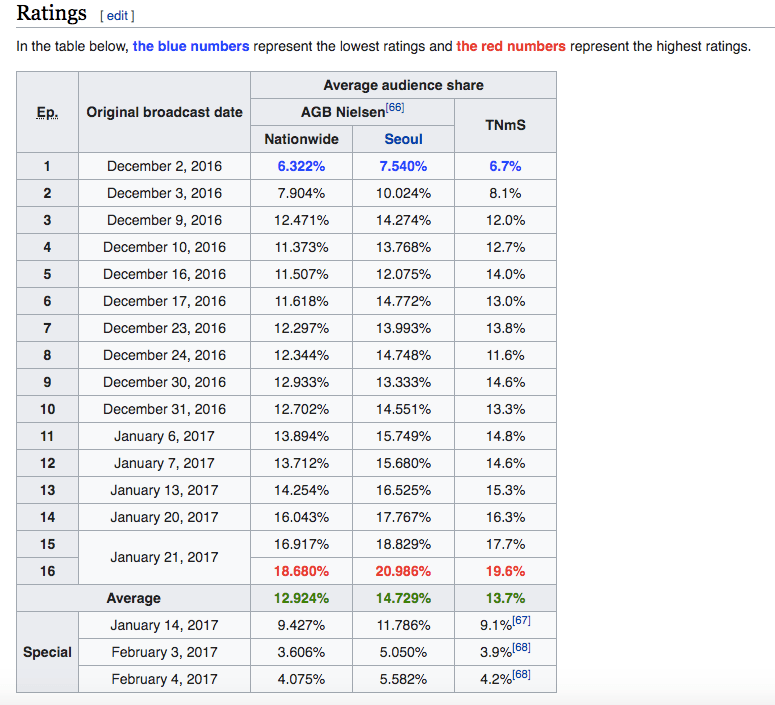
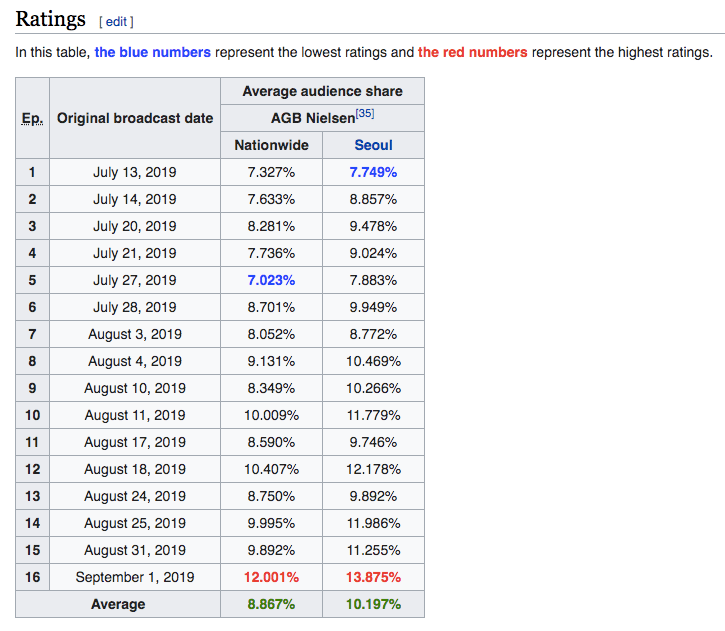
In K-drama land, two dramas stand out in recent years for their incorporation of fantastical elements in story-telling and their use of excellent cinematography to construct a fantasy world in which deities, goblins, grim reapers, spirits and ghosts take centre stage. These mythical creatures are made believable and feel almost real for the avid fan or casual viewer. This perhaps explains why the two tvN dramas, Guardian: The Lonely and Great God (Goblin)and Hotel del Luna (HDL) were able to achieve high ratings during their runs. Goblin peaked at around 19% nationwide when it was first aired in Korea in 2017 while HDL recorded up to a 12% rating for its final episode in 2019. In fact, both dramas are ranked among the top ten of Korean dramas in cable television history.
TV ratings for Goblin Photo Credit: Wikipedia
TV ratings for Hotel del Luna Photo Credit: Wikipedia
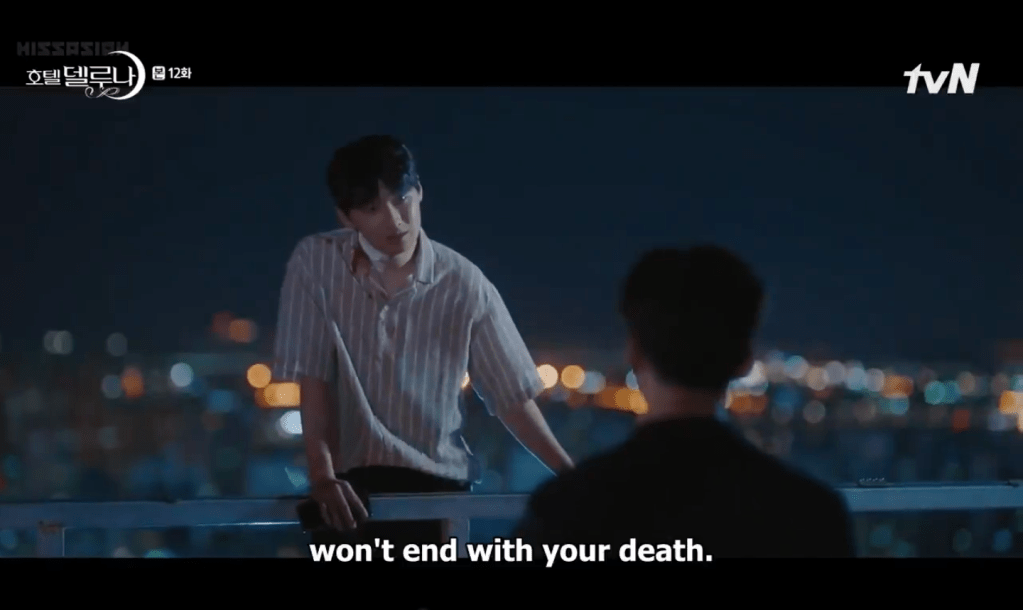
Beyond the picturesque images onscreen, another reason for the popularity of both dramas can be attributed to their engagement with the central theme of death. Even among the vast assortment of ingenious K-dramas, the two dramas still stand out with their unique subject matter. Quoting from Goo Chan-sung, the male protagonist from HDL, a person’s evil deeds “won’t end with death” and both Goblin and HDL attempts to imagine a life after death, presenting an alternate reality where characters deal with the negative consequences of their past actions in life, learn the importance of letting go of their grudges and the significance of their choices. In an in-between space that arises out of the transition between life and death, human assistants also exist to highlight the transience of life. Moreover, both dramas prominently feature a grim reaper or Jeoseung Saja (저승사자) in Korean which literally translates into “afterlife messenger”, but to different effects.
Photo Credit: tvN
Punishment of Everlasting Life or Everlasting Death
Interestingly, before expounding on their views about death, both dramas first demonstrate the value of life, death’s opposite, as a premise to their plots. The leads, Kim Shin in Goblin and Man Wol in HDL are shown in the beginning of their respective dramas to be stuck in limbo on earth in which they are neither dead or alive, as a punishment for killing indiscriminately and taking human lives with their swords, until a certain condition is met.
Photo Credit: tvN
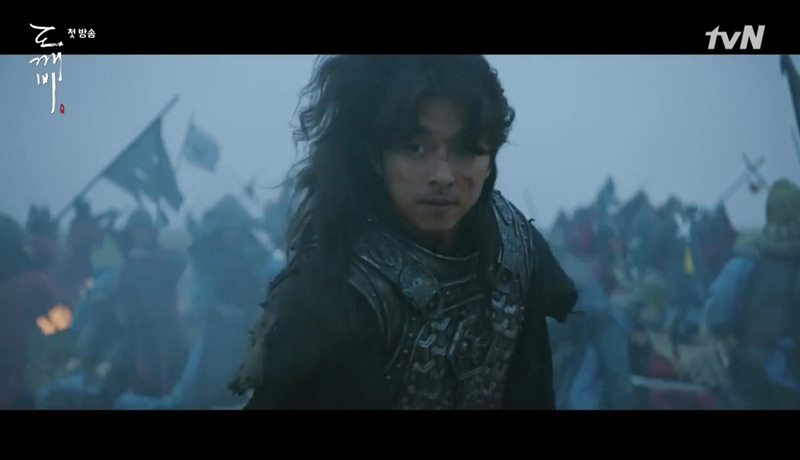
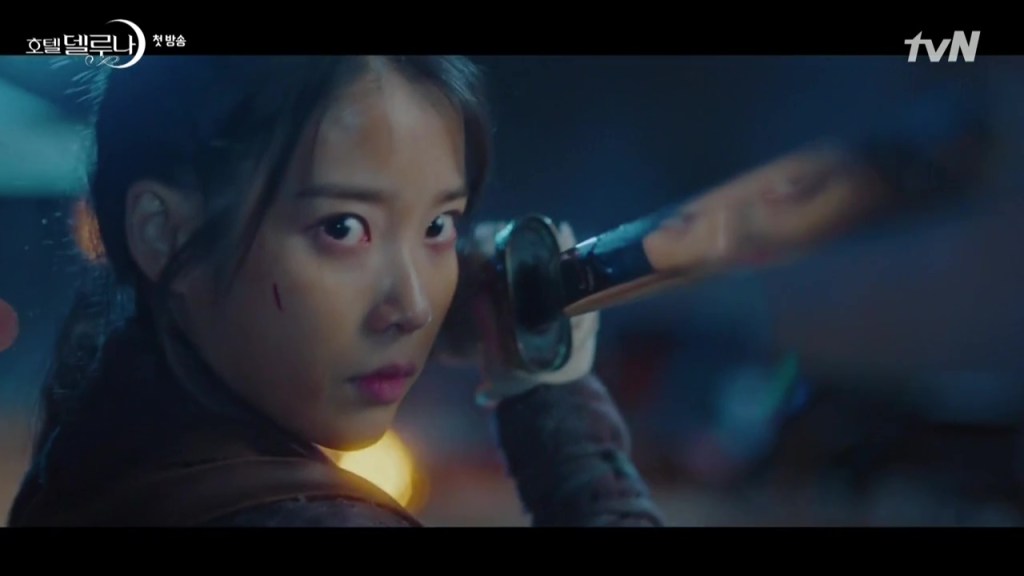
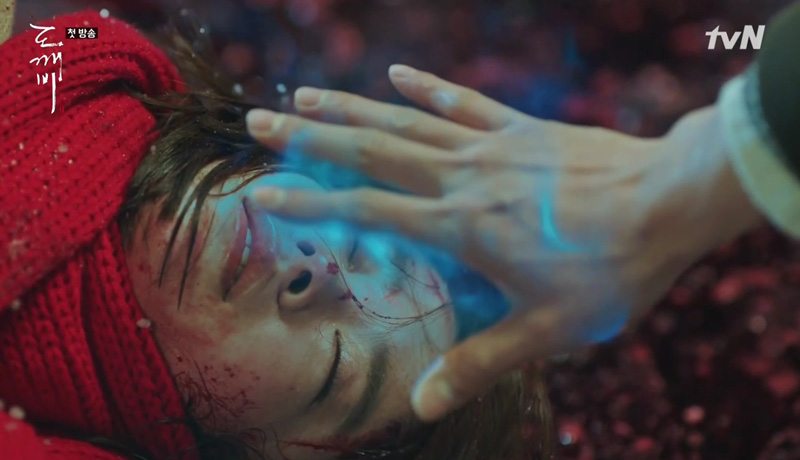
In Goblin,Kim Shin is portrayed as a ruthless warrior who brutally cuts down his enemies. Upon his death, he is resurrected by an unseen God but is condemned to “live alone in immortality and witness the deaths of those [he loves]” because “no death will be forgotten”. “This is the prize [God] gives him, and the punishment [he] receive[s]” until he can find the Goblin’s bride to remove the sword from his chest and end the curse. In HDL, Man Wol is punished for having spilled the blood of many people. Her soul is tied to The Moon Tree and she is asked to drink a wine by Ma Go which made her the owner of the inn or the Moon Lodge that later became Hotel del Luna. By working hard to serve her hotel’s guests for the past 1000 years, Man Wol is able to atone and repent for her sins while waiting for an opportunity to resolve her unfulfilled desire for revenge.
Photo Credit: tvN
However, while the two leads are punished for their transgressions against human life, both dramas also provide examples of how the deities are just in their judgements. Despite being merciless killers, the audience is led to be sympathetic towards Kim Shin and Man Wol who are forced to kill due to their unfortunate circumstances. For instance, Kim Shin strives to be victorious in his battles to earn the favour of the king, who is also his brother-in-law. This then results in his downfall because his military prowess invited suspicion from the very king he had served loyally. Similarly, Man Wol is betrayed but the betrayal is more heartfelt because it was by the man she had loved, Chan-myung. The heartache subsequently drives her into a frenzy and she proceeds to commit mass massacre.
Wisdom of Letting Go
Photo Credit: tvN
In both dramas, the idea of reincarnation is used as a recurring motif. Characters are constantly deliberating over the option of ending their time on earth as ghosts or other supernatural beings and move on to the afterlife or ironically, to remain haunted by their own past.
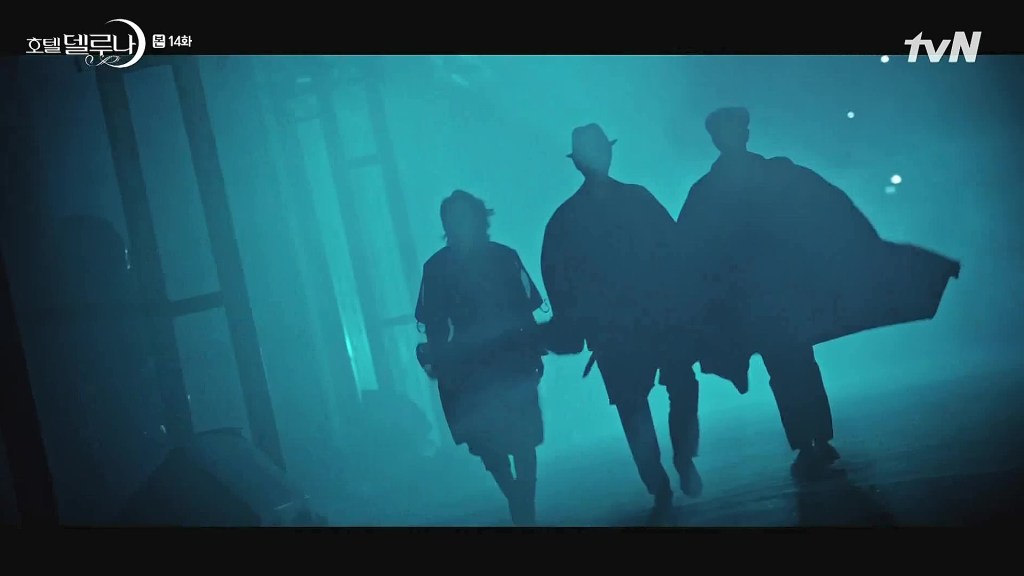
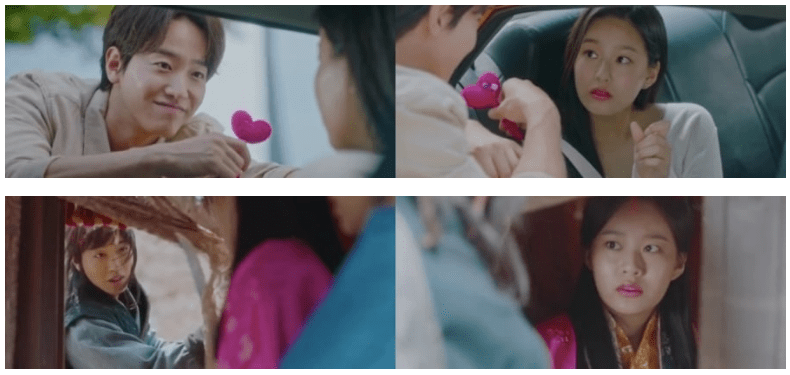
On a side note, the Hong sisters (writers of HDL) are conscious of the fact that they are adding on to the already existing discourse about how people should perceive death and the afterlife within the expanding collection of K-dramas that have established the same themes. This is clear from their cheeky parody of Goblin in a particular scene of HDL:
Photo Credit: tvN
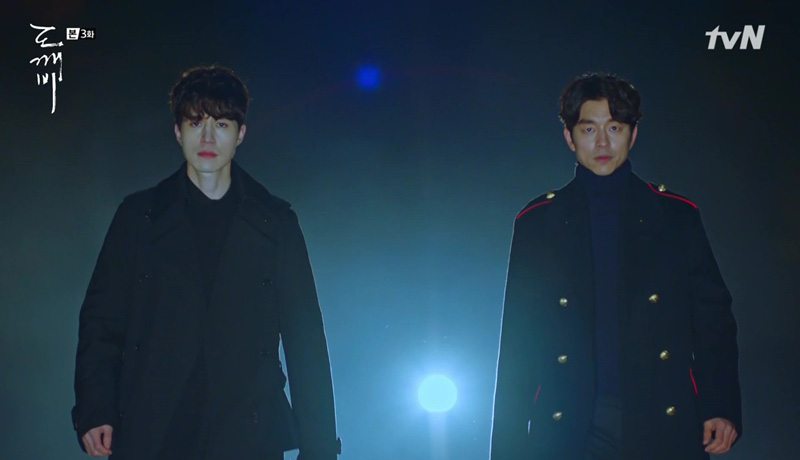
This is the classic scene from Goblin:
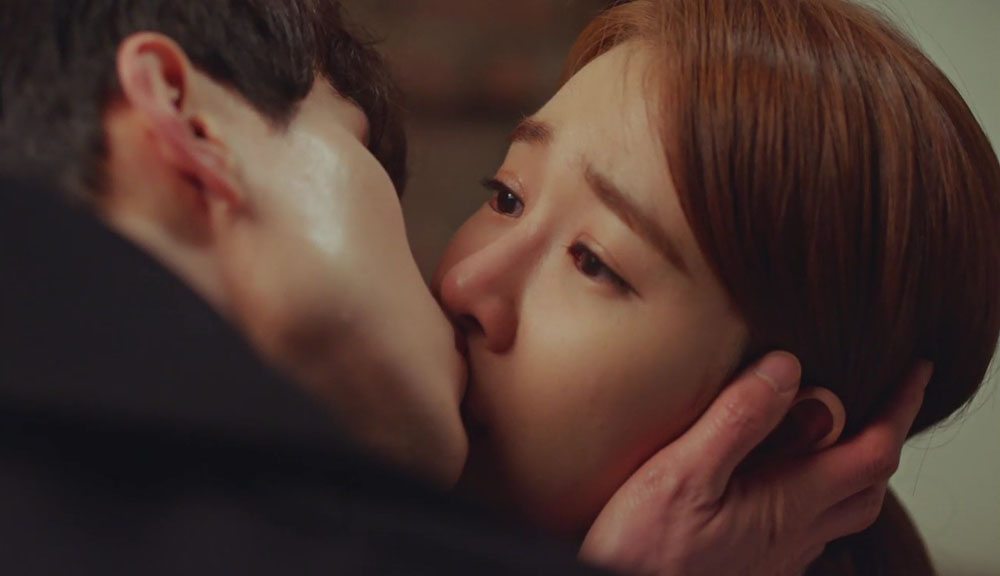
Photo Credit: tvN
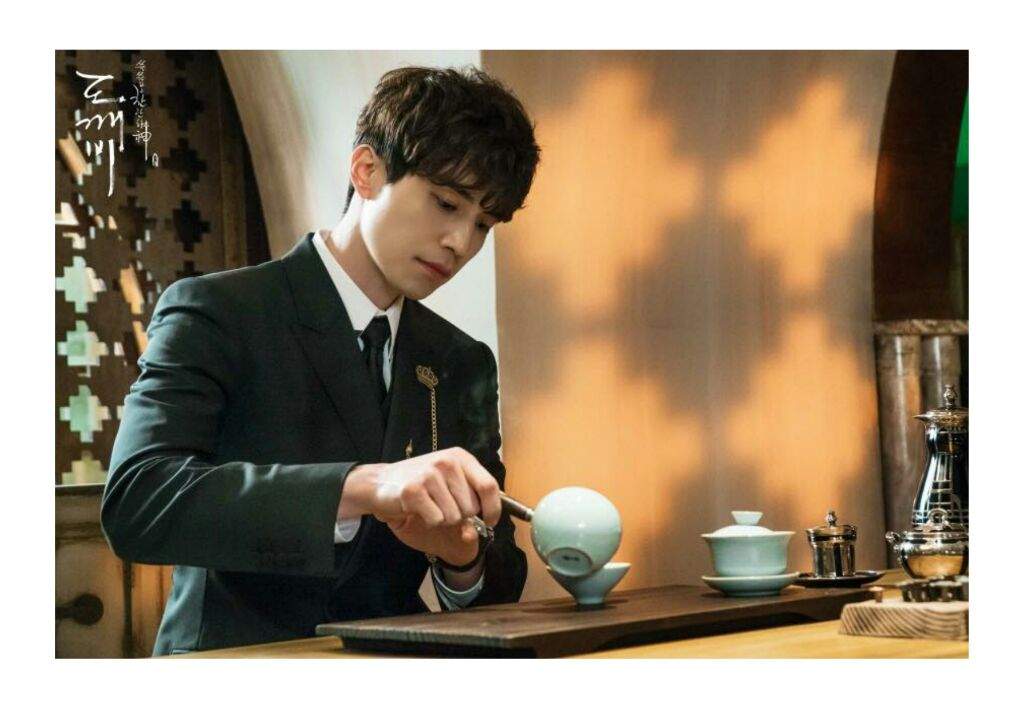
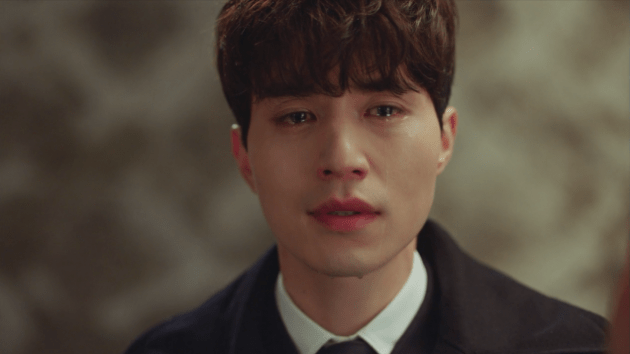
HDL’s parody of Goblin illustrates its self awareness of its similarities with its predecessor. In Goblin, Kim Shin is faced with the dilemma of allowing Eun-tak to remove the sword from his body to end his existence or to maintain the status quo after he had fallen in love with her. The grim reaper played by Lee Dong Wook also insists that dead souls drink the tea of oblivion before going off to the afterworld, suggesting that being able to forget the painful memories of their past lives is a blessing.
Photo Credit: tvN
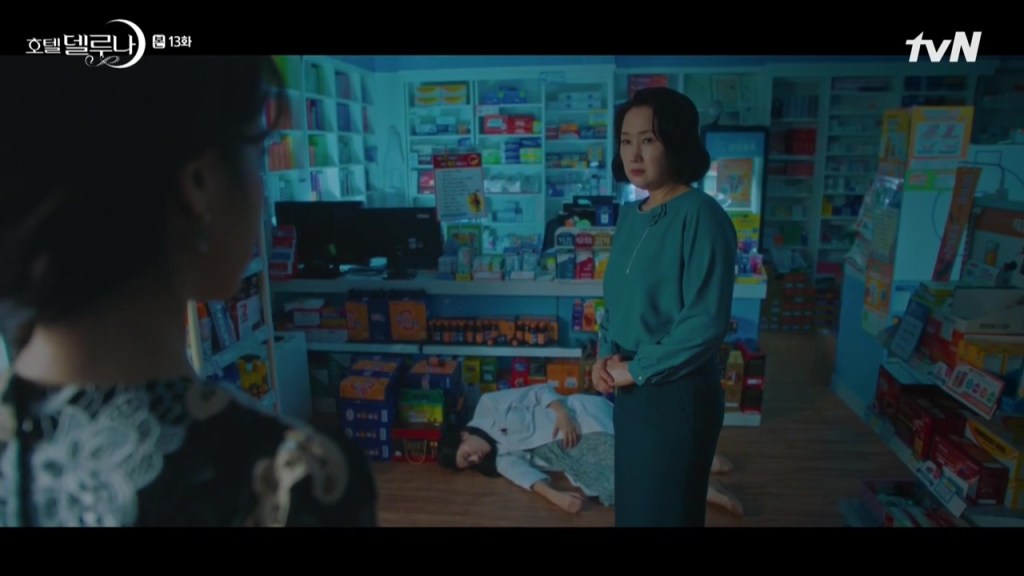
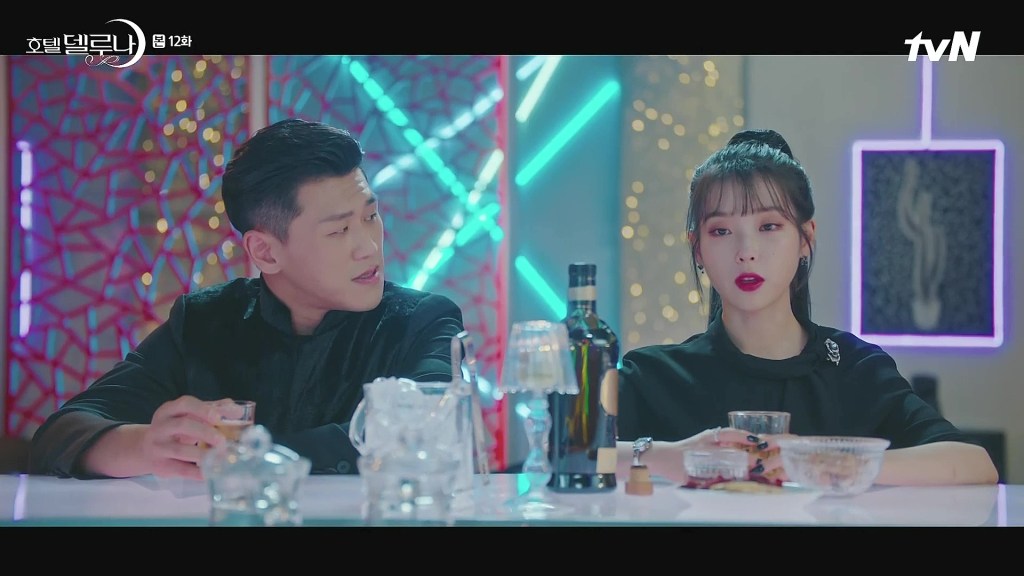
For the ghost employees of Hotel del Luna, the hotel enables them to work out their grudges. For example, the longest employee of the hotel and the Sky Bar’s bartender, Kim Seon-bi, waited at the hotel for a chance to clear his name after committing suicide as a result of getting wrongfully accused of being a “salacious scholar”, for writing stories about the lives of commoners. Ji Hyun-joong, the hotel’s receptionist, was also motivated to stay at the hotel because of his wish to see that his friend takes care of his sister as a punishment for accidentally killing him. Likewise, Choi Seo-hee, the hotel’s housekeeper buys time at the hotel due to her strong wish to avenge her daughter’s death and see her in-laws’ family die out with its last heir. Lastly, for Manwol, her role as the owner of the hotel is a test by the deities for her to empty her need for revenge.
Photo Credit tvN
Reincarnation is regarded as a reward and both dramas promote a stance whereby letting go of past grievances is preferred because it allows characters to reconcile or overcome their inner demons and finally be at peace. The Pink Ma Go in HDL articulates this in her advice to the ghost bride who cannot leave her boyfriend behind and Man Wol herself when she says, “it takes more courage to let go than to hold on”. Other scenes in the drama reinforces this outlook. For instance, when Seo-hee witnesses how the pregnant girlfriend of the last heir from the family she hates is in pain, her grudge is not resolved and she makes an effort to help the woman instead, even though it goes against her original intention. Man Wol is also made to reassess her grudge with Mi-ra as she reflects on Ma Go’s advice to let ill fates pass by because they are merely “lost memories for the reincarnated”. Therefore, holding grudges does not lead to peace in the dramas and characters are encouraged to let go and move on to the afterlife to be reincarnated.
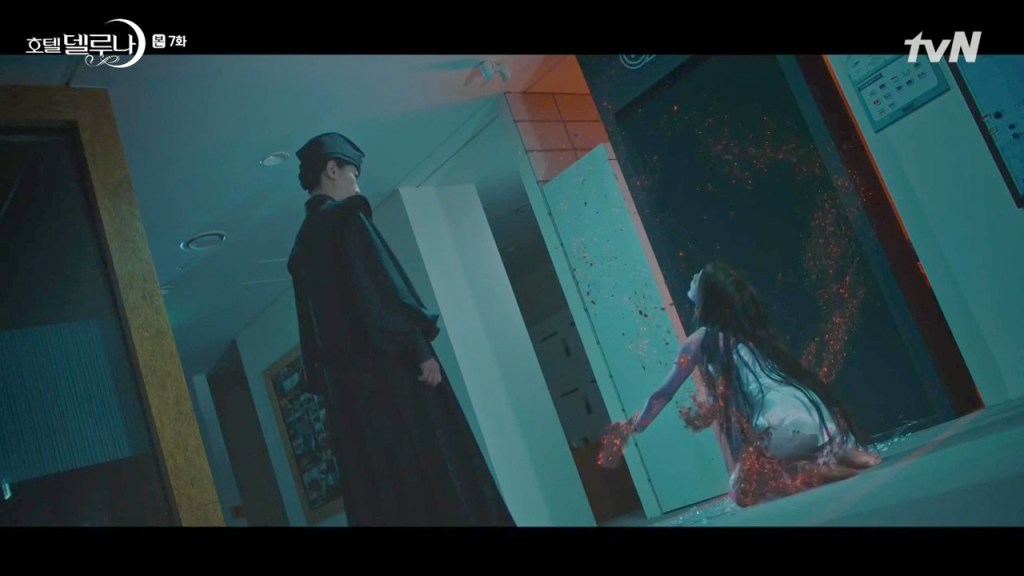
Photo Credit: tvN
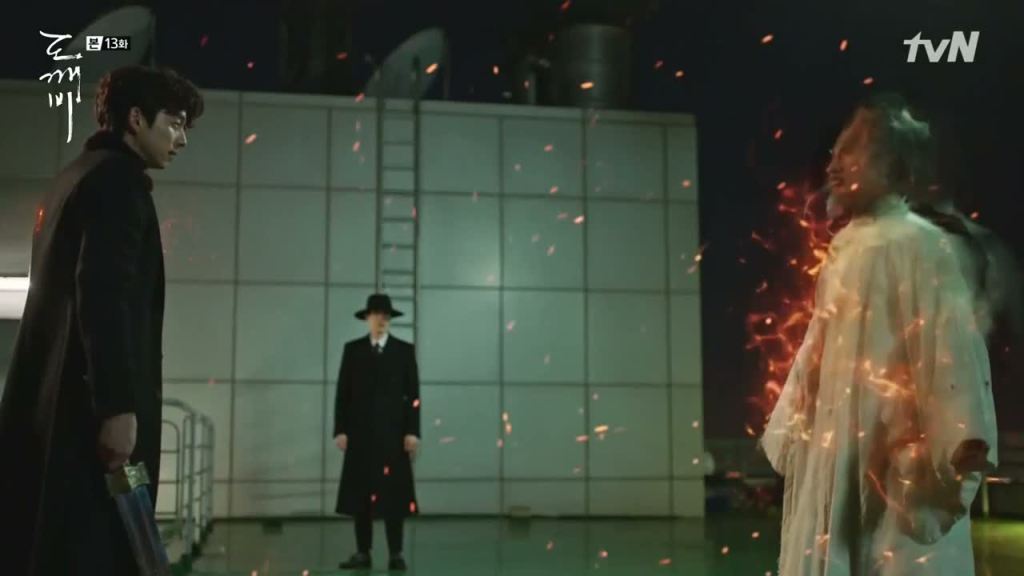
In HDL, those who cannot let go or forgive their enemies and cause hurt to humans will become evil spirits who will be persecuted by the Black Ma Go. They are made to perish and cease to exist. Similarly, evil spirits in Goblin will be met with a tragic end.
The evil spirit, Park Joong-heon, who tried to harm Eun-tak vanishes as Kim Shin swings his sword at him. Photo Credit: tvN
Fateful Choices
In both dramas, the characters’ possess an agency to decide their fates for themselves and their actions are shown to set off a chain or series of events that have implications for their lives later. Furthermore, their choices also underscore the power of love and the pain of sacrifice which are also consistent themes in the dramas.
Photo Credit: tvN
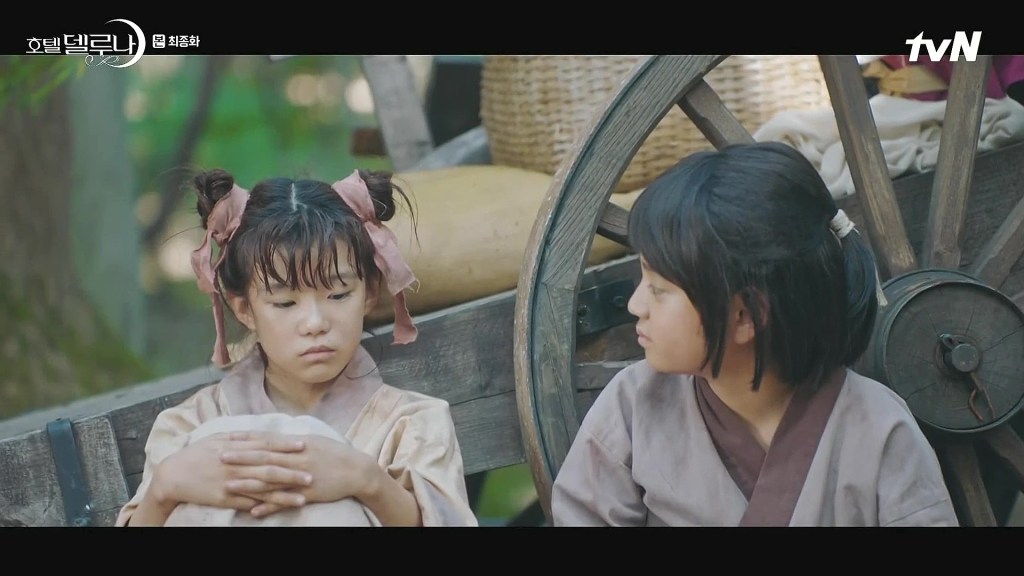
In Goblin, Kim Shin saved Eun-tak’s mother from death when she was still pregnant with Eun-tak, thereby marking her as his bride. He then fell in love with Eun-tak and chose to return to an endless life on earth even after the sword is pulled from his chest. Similarly, in HDL, Chan-sung saved Man Wol when there were both young in the Joseon era and thus entwined their past, present and future together. When it was time for Man Wol to leave to the afterlife, Chan-sung asked that Man Wol not be stuck with him in their current lifetimes and instead wished for them both to be able to live new lives together after they have both reincarnated. On the other hand, Man Wol went from wanting to exact her revenge and be obliterated to not wanting to leave the world after learning about forgiveness and experiencing love with Chan-sung. However, she still let Chan-sung choose for her and eventually moved on to the afterlife.
Photo Credit: tvN
By doing so, Man Wol gave up the time she could have had with Chan-sung in that lifetime and this concept of sacrifice is also evident in Goblin where Eun-tak sacrificed her life in a collision with a truck so that the children on a school bus will be spared death.
In Goblin, the grim reaper has his own story. While the grim reaper in HDL serves as a plot device, he also has an integral role to play in bringing out the key themes of the drama.
Photo Credit: tvN
The grim reaper’s story in Goblin shows how the pairing of lovers in the past continue in the present and future. Traces of the personalities of the original people carry over in the reincarnation although new bodies or souls cannot remember their previous sins. This is evident in how Sunny and the grim reaper falls in love again despite each of them not remembering their past selves. On the other hand, Mi-ra and Young-soo continue their ill-fated past as enemies and became lovers instead in HDL.
Photo Credit: Soompi
In comparison, the grim reaper in HDL is a smaller character but he exists to show how death is not an omnipotent force. It operates on the principle of fair exchange as seen in the many transactions made in HDL. The grim reaper never forces the dead to board the bus or limousine to the afterlife and makes deals with Man Wol to achieve his objectives. For instance, there is an episode where a traditional medicine physician was able to cheat death by buying lifelines off his patients to prolong the life of his dying son. Yet, he and his wife were the ones who have to pay the price by having their own lives cut short and they can be observed to have aged a lot faster. This idea of fair exchange, where a person gives a life for a life is emphasised in how Man Wol worked to bring the physician’s son to the afterlife in return for the grim reaper to do her a favour and bring in the vengeful spirit who has been targeting Chan-sung as her way of protecting him.
Photo Credit: tvN
Similarly, in Goblin, Kim Shin begs the Gods to let him live for eternity again but in a surprising twist of fate Eun tak’s life is cut short instead and Kim Shin is only able to be with Eun-tak during her four short lifetimes.
Transience of Life
In both dramas, the ghosts and the goblin is seen to require the help of human assistants. These human assistants come in great numbers and highlight the underlying notion of the transience of life.
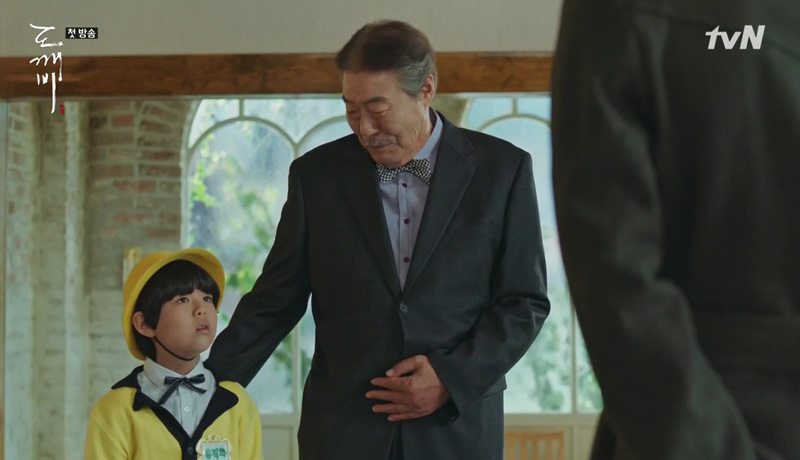
Deok-hwa being introduced to Kim Shin by his grandfather Photo Credit: tvN
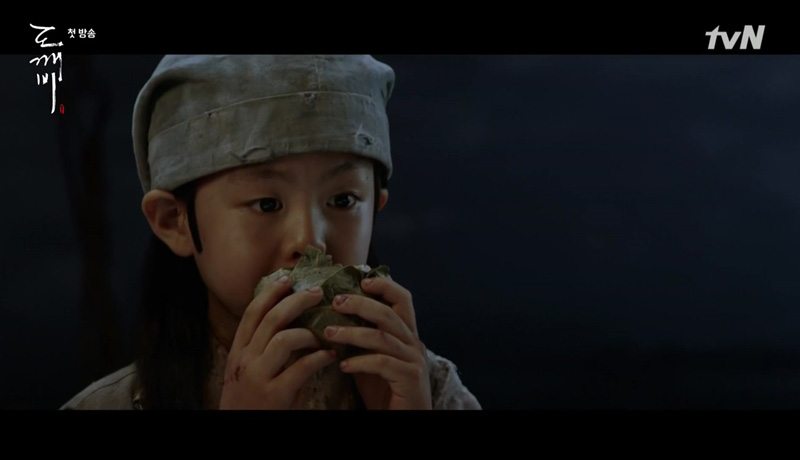
Deok-hwa’s ancestor, the first to serve the goblin Photo Credit: tvN
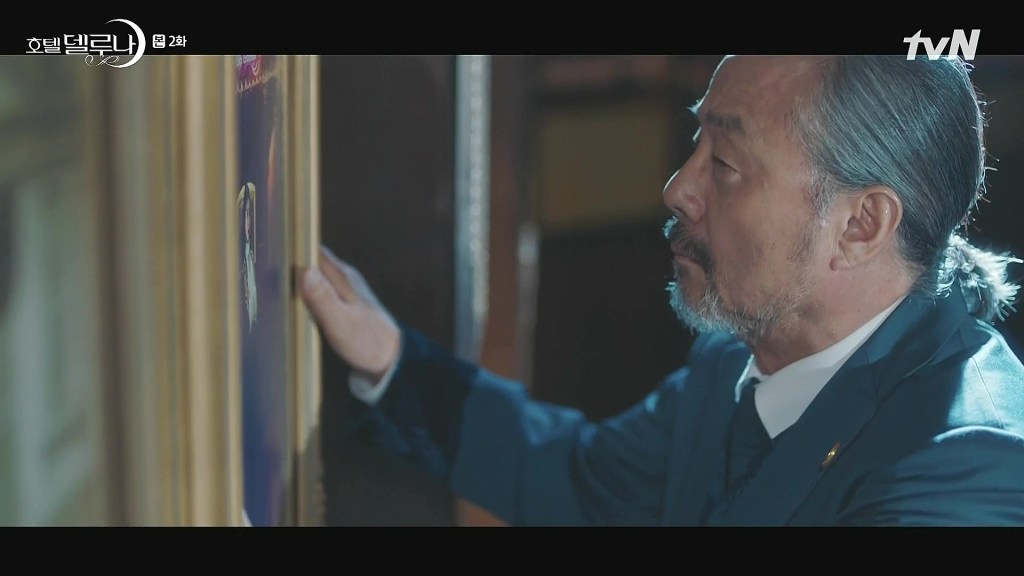
For example in Goblin, Kim Shin has a family dedicated to serving him through the generations while Man Wol in HDL had 99 human managers. In a heart-rending scene with Manager Noh, the 98th general manager, he hangs up a portrait of Man Wol on the wall while saying sadly, “This photo will be the only proof of the time I’ve spent in this life. Will she remember a mere human who’s just passing through here?”. It is noteworthy that he took the picture but is not featured in the portrait, bringing attention to the drama’s message that everyone is just a passer-by in their own lives. The double use of the largest digit ‘9’ emphasises how life is fleeting and just like how innumerable people pass by in our lives, we also come and go. Life and death is but the start and end of our short journeys through life and there is always something waiting ahead, such as the afterlife. In Goblin, Eun tak’s four short lifetimes are also a reference to this common message between the two dramas.
Photo Credit: tvN
However, the dramas also reveal that life is transient but nonetheless valuable because each moment spent is precious. The moments people spend with their loved ones create memories that can leave an indelible mark on their lives and its impact can be felt when people mourn and feel pain when someone they love dies.
Beyond the Beautiful
There are numerous parallels between the two dramas. Although the dramas are known for their beautiful images, they also engage with more serious themes of death, punishment, the afterlife and reincarnation, desires for revenge versus forgiveness, individual choices and the value of life.
REFERENCE
packmule3. “Hotel Del Luna: Comparisons with Goblin.” Bitches Over Dramas, 11 Sept. 2019, bitchesoverdramas.com/2019/09/11/hotel-del-luna-comparisons-with-goblin/.
This past week, I embarked on the Korean language segment of my project as I tried to create flashcards with Korean words and phrases. In fact, this task was especially timely because Korea’s Hangul Day coincidentally falls on October 9. It is a national Korean commemorative day marking the invention and the proclamation of hangul, the alphabet of the Korean language.
To celebrate and mark this special day, K-pop boy group, Seventeen, hilariously attempted to say their group introduction in Korean when they usually do it in English, with comical results:
since in Korea, today is Hangul Day, they all started introducing themselves fully in Korean instead of using "Say the name, Seventeen!" 😂 Some of them were even lost and did not know what to do 🤣🤣pic.twitter.com/yEpiiU20M8
For this week’s blog update, I decided to name it “Hello” after NU’EST’s song of the same name. Although its Korean song title is “여보세요” or “Yoboseyo”, which refers to a greeting used by Koreans to answer phone calls instead of the actual greeting used to say hello, “안녕하세요” or “Annyeonghaseyo”, I thought the fact that it is also a very basic Korean phrase ties in well with the content of this week’s topic of the Korean language.
To make flashcards, I went on to Quizlet. I thought that Quizlet will be an excellent platform because it is frequently used by students as an interactive online learning tool to study languages. Most importantly, it is free! Furthermore, I personally have prior experience of using Quizlet to learn languages as my French teacher had introduced me to Quizlet flashcards.
This is the set of flashcards I had used while learning French:
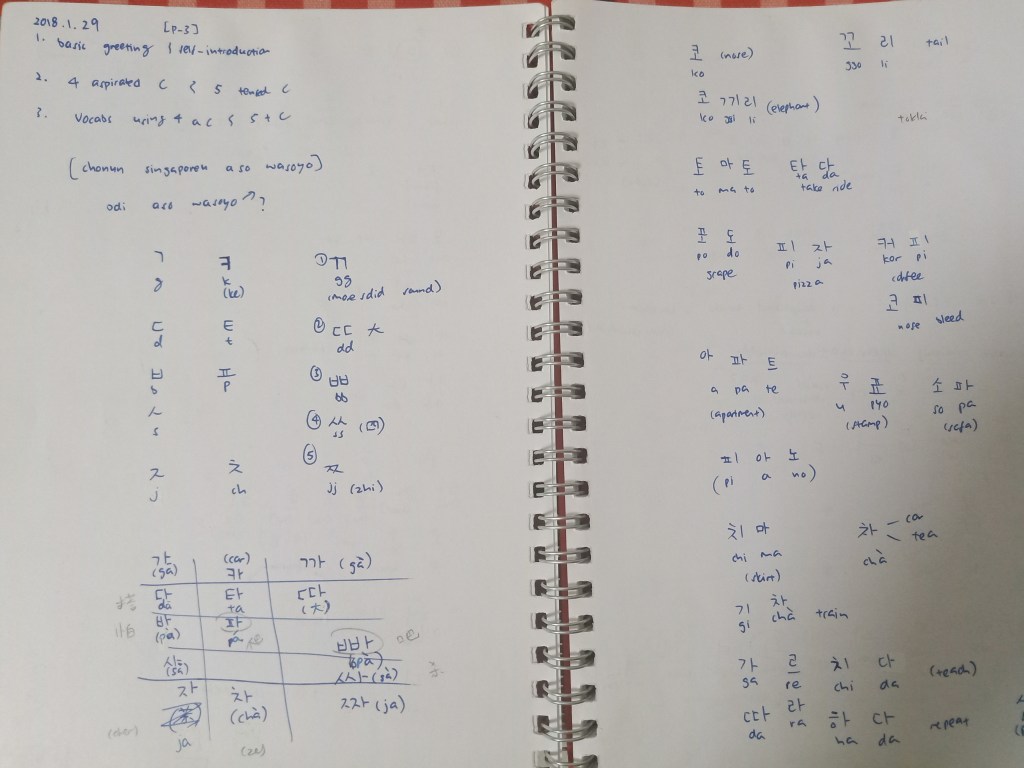
I also went to dig up my old notebook and consulted my Korean notes from when I took classes in LK9001 Korean Language Level 1 which had been my first time learning the language. It was good to be able to look back on those times and revise korean while I was making the flashcards too. Overall, it was a fun experience.
A picture of my notes
However, I encountered some problems along the way because it was not easy searching for the right images that could convey the exact meaning of the words and phrases. Nonetheless, I eventually managed to come up with flashcards that I am happy with and immensely proud of after spending some time on them. For easy viewing and organisation, I arranged the flashcards according to the types of vowels and consonants they contain which in turn determined their difficulty level.
There is also an audio function which plays a recording of a native speaker reading the terms out loud in their native language. Learners can thus visually see how the Korean terms are written and hear the correct pronunciation for them which is another reason why Quizlet is such a great platform.
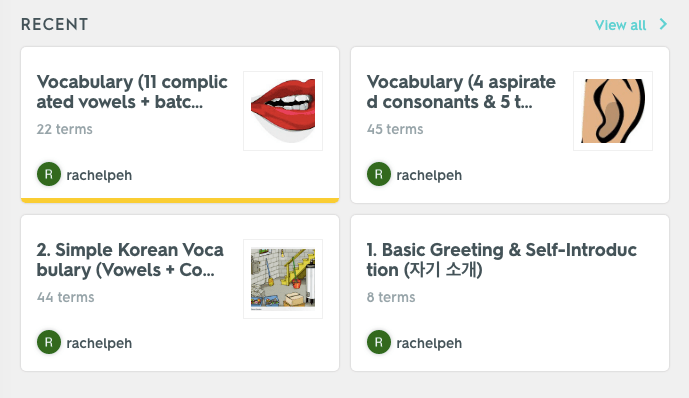
In total, I made four quizlet sets and this is a screenshot of the final products:
By doing so, I am joining an already vibrant community of people who have made their own sets of Quizlet flashcards for the Korean language but I had hoped to contribute with a different set of vocabulary and a more systematic way of learning by grouping these words and phrases by the different kinds of vowels and consonants used.
I had been motivated to learn Korean at first because of my love of Korean dramas and variety shows. Actually, I found that after acquiring knowledge of the Korean alphabet, I could understand what my favourite actors and idols were saying better and could rely less on English subtitles when watching their shows. Therefore, I hope that by making flashcards of simple Korean words and phrases on a public platform like Quizlet, I am able to encourage people who were new to Korean to start picking up the language. Of course, these simple words and phrases are in no way an exhaustive list of the vast vocabulary and grammar rules in the entire Korean language system but my objective is to provide materials for people like me to start somewhere. Hopefully, people who are passionate about the Korean language but are still searching for some means to learn it will find these flashcards useful.
Currently, I am also catching up on the two Korean dramas, Goblin and Hotel del Luna, to prepare for my drama analysis in the next blog update. Even though it is tough trying to find time in between my upcoming assignments and projects to watch them, I am excited to explore the treatment of death in both dramas and I cannot wait to share my ideas on this blog so do look forward to them next week!
Like the week before, Jun and I decided to get some practice in before our last dance class this week. We tried to recall the new parts we learnt from last week and while I had some trouble remembering, Jun helped me a lot and in the end, we managed to piece the different parts together. Here is our final practice video:
For the dance class this week, Jun and I, as well as our instructor wanted to match colours for the last practice and we decided to go with white and red. We were inspired by one of X1’s stage outfits (as shown in the featured image for this blog post). This is the reason why this week’s blog post is titled “Pretty”, because we all made an effort to dress up for this last class.
Since we already got the steps down, this week’s class was just us going through runs after runs of the full choreography. After every single run, we went through certain steps together again to either make the moves look nicer or be more in time with the music.
During this process, I was a little disappointed in myself because I could feel that I was quite tense and my body was not moving as well as I wanted it to. I think I was nervous because I did not want to make any mistakes as this was already the last session. My desire for perfection made me overthink things a lot more and I felt that there were moments when I blanked out as a result instead. I was making mistakes even though I had practiced beforehand and I felt demoralised for a while.
However, things lightened up after a water break and I told myself to just enjoy the session. Unfortunately, our instructor was sick and could not dance much with us but she joined us for the first part of the song. Despite the fact that both Jun and I were tired after the runs and the difficulties I faced, the energy while we were doing the dance for the last time was good and I am proud to say that this was our ‘prettiest’ run:
Thinking back on the dance experience, I think I can pat myself on the back for completing the challenge. I joined an external dance class for the first time and learnt a full dance choreography within a short span of four weeks. From the study sessions before the dance classes and the Ba Kut Teh duppers (dinner + supper) after class, Jun was with me every step of the way. I doubt I would have the courage to try out an open dance class alone and she helped me to memorise the steps so I am very grateful that she agreed to join me on this journey. It had been a great opportunity for two friends to share their love for dancing and K-pop with each other. Our instructor was also really nice and patient with us and we were happy to have gotten dance lessons from her.
This concludes the dance part of my project. Hopefully, through this K-pop dance segment, I was able to show people that K-pop dance is not as difficult to pick up as they may think and it is actually very fun to do because there are just so many dance styles that can be mashed up into a single song. Personally, I also achieved the goal of celebrating my identity as a K-pop fan by doing a dance from a group whom I have watched progress on a survival show. Furthermore, I realised that there is still a special role for dance schools like this even though people can learn K-pop dances on their own, because they offer a safe space for K-pop fans to learn together and share their love for K-pop dances. Now, I am excited to embark on the next stage of my assignment. There are interesting things I am planning to do that are linked to the Korean language and dramas coming up, so do look forward to them!
As promised during last week’s blog update, I would work on my moves so on the Sunday before the dance class for this week, Jun and I arranged our own dance practice session.
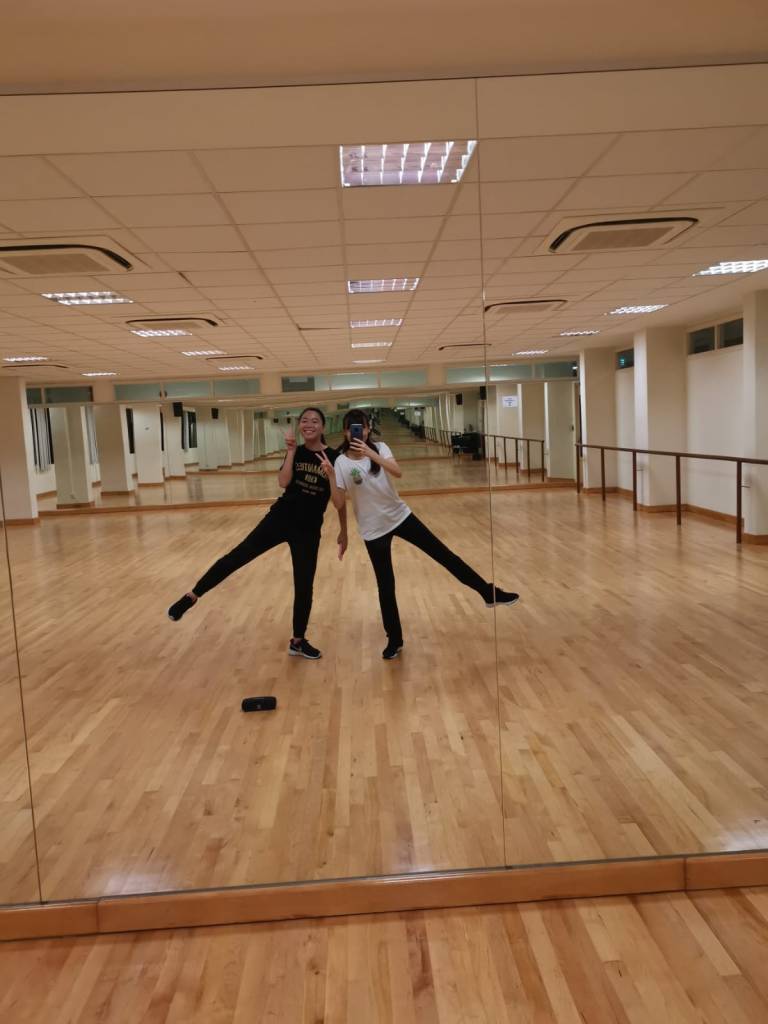
We had a really great time and I was happy that I managed to clear up some of my confusion regarding the steps (Jun helped me a lot!). Here are some photos I took during our practice session:
Yes! We had the whole dance studio to ourselves!:)
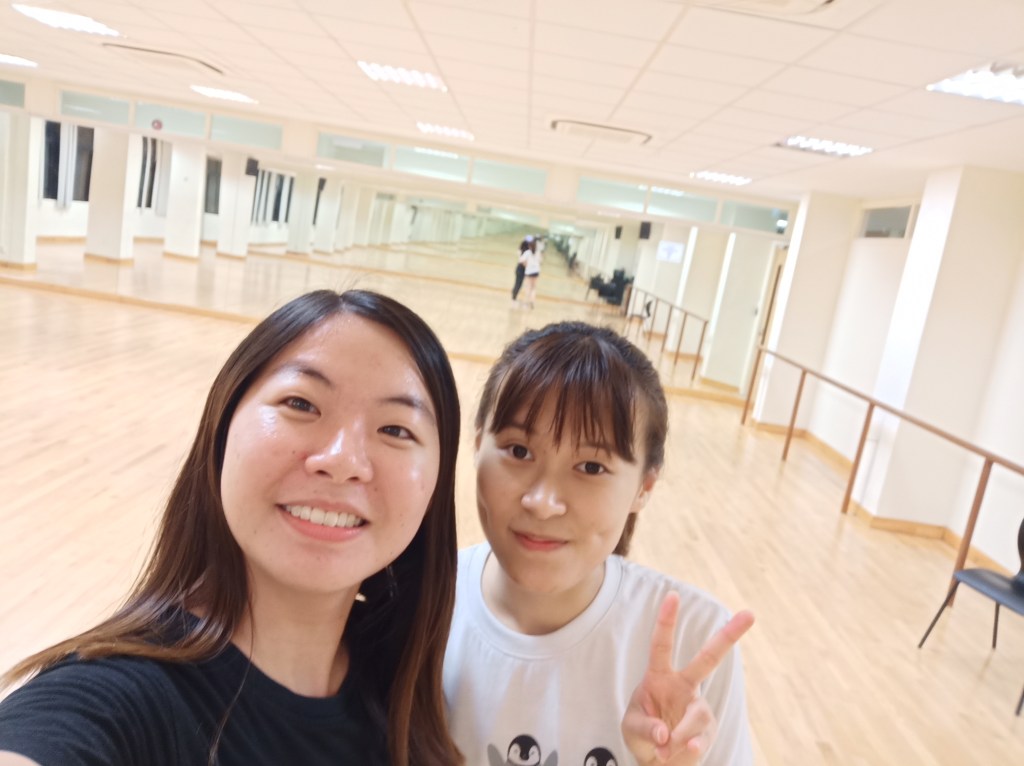
A pre-dance workout selfie. We were exhausted by the end of the practice:(
On Wednesday (the day of our dance class), we started the class off by going through a few runs of the whole song to recap all the steps we have learnt. Also, I think our instructor probably wanted to test how much we remembered from all the steps she had taught us for the past two weeks.
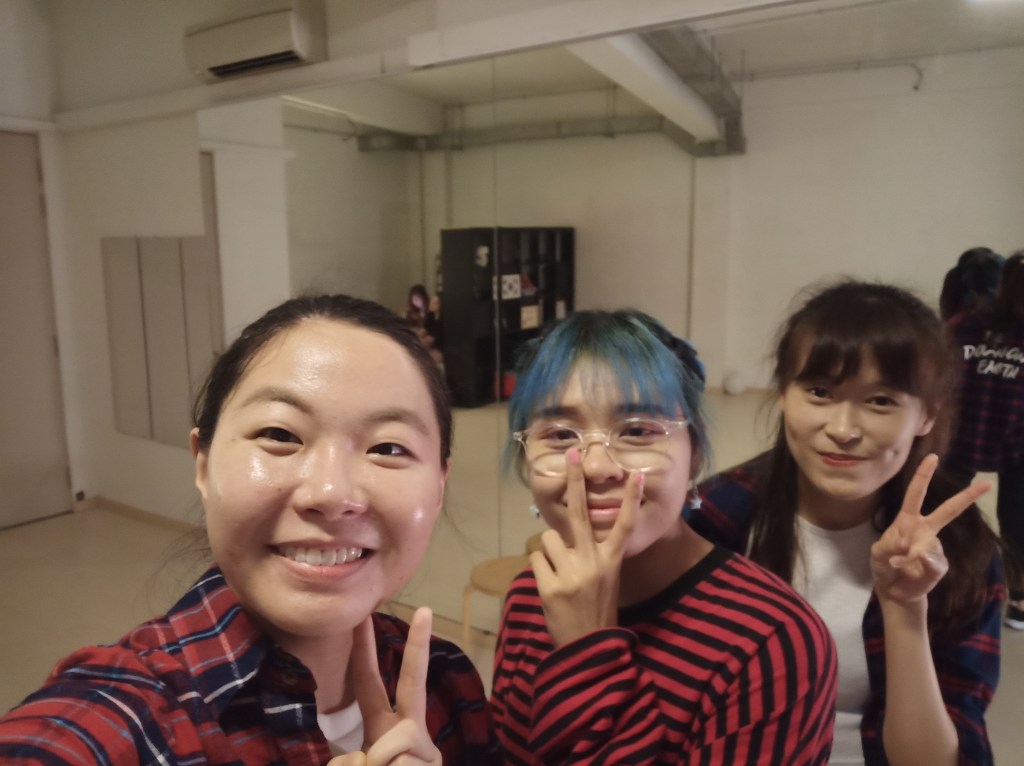
Another photo taken before the dance class.
Luckily, we both did our homework! I was really worried about not remembering the steps so imagine how glad I was when my steps flowed naturally while I was doing the runs. In fact, I think I did most of the steps quite nicely so our practice truly paid off! *Clap Clap Clap*. I am sure our instructor could see our effort and we passed the test.
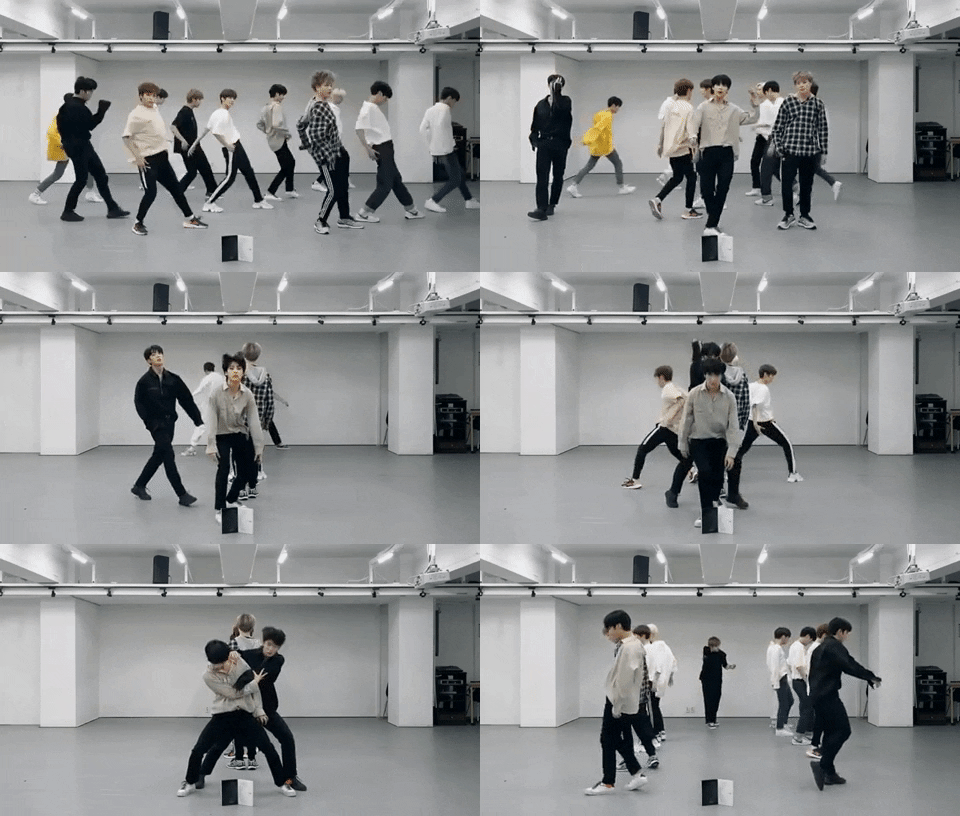
This whole process took up the first half an hour of the lesson and for the next one hour of the class, we spent time coming up with our formations to prepare for our last lesson the following week. Now that we got the moves down, our instructor got us to start by watching X1’s dance practice video to pick a favourite member (and presumably to follow his steps for our final dance practice) as well as to see how each of them executes the steps so that we can improve our performance of them.
This is the dance practice video we watched:
Video Credit: K-MIRRORED CHOREOGRAPHIES
After watching the video, Jun suggested that instead of doing complex formations that involve us moving around a lot, we could just do mirror versions of the dance, meaning one person will dance the moves for the left side and the other person will do the ones for the right. Since we only have three people doing the dance, we could not do the intricate position changes anyway so we all thought it was a good idea.
So the rest of the time was spent learning the opening part of the song, which was forty seconds long. I had some trouble doing this part and kept making mistakes because even though the moves were not complicated, it was difficult to coordinate the timing and making sure that I was moving my hands and feet on the correct side (I was doing the moves for the left side).
Furthermore, Jun and I had to learn a partner dance that will come in during the later part of the dance. It felt a little awkward and weird but we had fun with that too. This was the most memorable part of this week’s dance class for me so I decided to name this week’s update with something related. Since the title of the update had to be something related to NU’EST as well, I thought of naming it “Daybreak” because the song is a duet by two of the NU’EST members, JR and Minhyun. It is an interesting song because these two members cannot have voice qualities that are more distinct from each other. JR has a deep baritone voice when he raps while Minhyun sings in such a smooth and soft voice that it sounds like honey in your ears. Despite their different voice qualities, their voices mesh so well together that sometimes you cannot tell when one ends and the other begins. I felt that the song perfectly captures the essence of a partner dance because while both Jun and I may not work well together at first, each of us brings a part of the dance with us in our own distinctive styles to make up a better whole when we move together in time with the music.
After struggling for some time, we finally got the hang of it and while it was not perfect, we were all quite proud of our final run that day:
Nearing the end of the class, our instructor asked us to think about what colours to wear for next week’s class. Apparently, she will try to colour coordinate for all her classes when it is the last lesson. She said we could look at X1’s stage outfits for inspiration and we were both excited to go do our research before the next class. Having said that, I was also a little sad that it is going to be our last class soon because I really enjoyed going back to dancing after a while. Seeing that our piece is finally stitching together as we learnt the transitions that had previously been missing is a bittersweet feeling. I guess I will just have to treasure the short amount of time I have left with this dancing project of mine and I sincerely hope that we will be able to give an awesome performance next week.
Full Houses: The Popularity of the Korean Drama Full House and its Southeast Asian remakes
Photo Credit: DramaPanda
Full House is a South Korean romantic comedy television series, based on a manhwa of the same name by Won Soo-yeon. The drama aired in 2004 on KBS2, one of the country’s terrestrial broadcasting stations and starred Rain, a prominent idol who was part of the then budding Hallyu Wave, as the famous actor Lee Young Jae, Song Hye Kyo as Han Ji Eun and supporting actors like Han Eun Jung as Kang Hye Won as well as Kim Sung Soo as Yoo Min Hyuk.
The story goes like this:
Photo Credit: Wikipedia
During its run, the drama enjoyed high ratings, peaking at forty-two percent nationwide for its last episode according to the drama’s Wikipedia page:
Refurbishing Full House
The drama’s success within South Korea led to a spin-off or sequel, titled Full HouseTake 2, in 2012. It was a joint venture by Korean, Chinese and Japanese companies and was loosely based on the original manhwa and 2004 hit.
Photo Credit: SBS Plus
While the drama saw great domestic popularity, its appeal went beyond national borders and touched the hearts of audiences in the rest of Asia and the Western world. A recent article by ReelRundown even lists Full House as one of the “Top 10 Most Popular Korean Dramas”.
The article also gives reasons for the popularity of Korean dramas among Western audiences, namely how the stars are attractive eye candies, the dramas’ fresh cultural appeal, squeaky clean content and format, which interestingly correspond with those mentioned in one of the course readings, “A ‘real’ fantasy: hybridity, Korean drama, and pop cosmopolitans”. The course reading discusses how the beauty of K-dramas’ male protagonists, especially the caring and sensitive aspects of their Asian masculinity offer a fantasy for Western viewers (Lee 371). Furthermore, the “cultural differences and unfamiliarity with foreign media also increase viewers’ fascination with and pleasure gained from them” (Lee 367). Compared to Western counterparts which feature a copious amount of sexuality and violence, K-dramas portray storylines that are “safer, more conservative and relationship-based” (Lee 370). Moreover, the K-dramas’ ability to “make clichés interesting and different” and their unique format, as they “usually last only one season with a set number of episodes”, between sixteen and twenty-four, with a definitive end and a strong sense of conclusion also contribute to their rise in the West (Lee 371-372).
A look at the ReelRundown’s Facebook page will reveal that its authors belong to a community of K-drama ‘experts’ and Lee argues that participation in such online transnational media platforms “helps fans create hybrid, powerful identities by offering opportunities to develop cultural and technical competencies, and fuse different cultural elements and roles in complex ways” (Lee 369).
Besides Western audiences, the Korean drama resonated so well with Asian audiences outside South Korea that some of these Asian countries, who had previously only consumed such Korean content, started to produce their own versions of the drama. Subsequent adaptations of the drama made minor changes to its details but the essential plot points remain the same. According to Variety, Full House has already been remade for four different Asian markets: the Philippines, Vietnam, Thailand, Indonesia. There is also a Chinese adaptation made in 2015, starring Eli, a member of South Korean boy group, U-KISS, which still has not seen the light of day as a result of the unspoken ban on Korean TV shows in China after 2016 following the escalation of political tensions and another rumoured remake in 2019 (Park et al. 151).
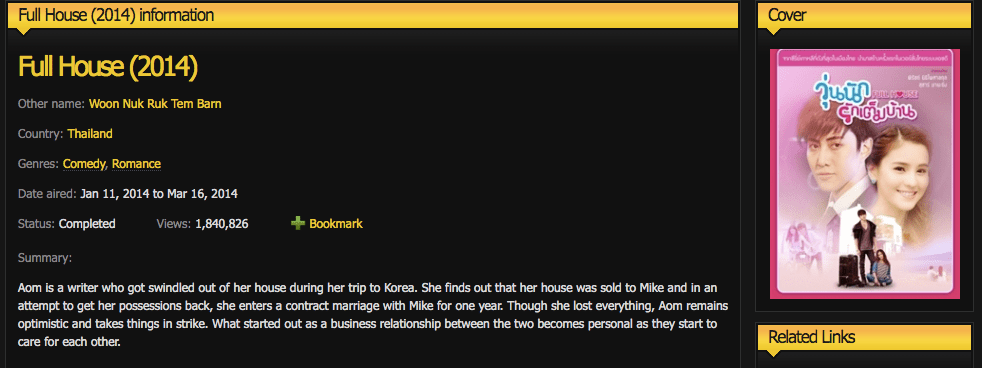
A KissAsian listing of Full House Thai (2014), a version I really like.
The comments section of the drama listing. It turns out I was not the only one who like the Thai version more than the original.
As a viewer who had inadvertently come across such an adaptation and actually found myself liking it more than the original, I am interested to find out why Full House has been able to appeal to a wide range of audiences with different nationalities across the Asian region and beyond. In fact, it is a question that other scholars like Jeon, recognised as one “well worth addressing” (Jeon 69).This essay thus seeks to examine the factors that led to the drama’s popularity in Asia, particularly in Southeast Asian countries as the drama has inspired numerous remakes in these places.
Government Policies
To explain the strong reception of the drama away from the South Korean peninsula, there is a need to locate the drama in the broader context of Korean broadcasting history (While the term Korean can also mean North Korean cultural producers and products, the term will refer solely to those originating from South Korea for the purpose of this essay.).
The drama was released during the period of a significant increase in Korean drama exports between 1995 and 2005 (Jeon 12). With a growth of 72.8% over 2004, the export of television dramas represented a 92% (US$101.6 million) share of the total export of media programmes (US$123.4 million) in 2005 (Kim and Wang 428). In 2005, the major importing countries were mainly in Asia, particularly Japan (60.1%), Taiwan (11.4%), China (9.9%) and the Philippines (3.7%). New markets such as Mexico, Brazil, Turkey, Jordan, Tanzania, Cambodia, Mongolia, Uzbekistan and Russia also began to gradually increase their imports of Korean television programmes in 2005 (Kim and Wang 429). From these figures, it is clear that the circulation and popularity of television dramas constitute the nexus of the Hallyu phenomenon, which refers to a new wave of Korean-generated popular cultural products that extends throughout South and East Asia and beyond (Kim and Wang 428).
The Kim Dae-jung regime’s (1998-2003) cultural policies philosophy which notably moved toward deregulation and the promotion of the cultural industries, as well as away from the protection and regulation characteristic of the previous regimes has been related both to the production of high quality dramas and to their export success (Jeon 106-107). The Noh Moo-hyun regime (2003-2007) then established a series of support policies such as financial aid to boost the export of popular cultural products, commonly known as the Korean Wave support policies (Jeon 120).
Consequently, KBS with its “relatively longer history in programme exports than MBC or SBS, the two other terrestrial stations” arguably benefitted the most from the reduced state intervention and support policies as evident from how its annual programme exports were the highest among the three major terrestrial broadcasting stations between 2003 to 2005 (Jeon 101). Full House can therefore be regarded as a beneficiary of these government policies that were instrumental in its export success.
Economic Development and Technological Revolution
The popularity of Full House can also be attributed to the “rapid technical developments [that] have encouraged the Korean broadcasting industry to diversify its production, distribution and consumption of broadcasting content, which has in turn attracted more fragmented audiences” (Jeon 56). Technological advances such as the first digital multimedia broadcasting (DMB) to mobile phones around the globe “has allowed audiences to enjoy television programmes without being limited by time or location” (Jeon 62). Additionally, “[t]he transition from analogue to digital transmission enabled broadcasters to compete with the internet as an additional platform for television programming” (Jeon 56).
Also, to the viewers in Southeast Asian countries, “economically-developed Korean society becomes a model for their future”, thereby explaining their attraction to Korean dramas with their frequent use of images or symbols of economic wealth and modernity like tall skyscrapers (Shim 1).
Drama Tourism
Photo Credit: visitKorea
Since the drama ended, there had been a steady stream of visitors to the “Full House” in Sido Island, over the years, from all over the world before the house was eventually demolished due to irreparable damage sustained from a typhoon (Thornton 1).
Photo Credit: HALO Productions
It is also interesting to note that the drama did not just influence your ordinary tourists to visit South Korea, the production team for the Thai remake of Full House shot ten out of twenty episodes on location in Korea, featuring famous tourist spots like Dongdaemun, Hangang Park and Myeongdong, to name a few (Hong 1). Following the shoot, the staff, including the actors, “still express that they miss Korea”, hinting at a possible revisit intention (Hong 1).
Opportunity To Perform Cultural Hybridity
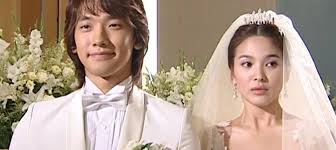
Full House “plays the role of a cultural mediator that reinterprets and mediates Western popular culture, and transmits it to neighboring countries” (Park et al. 142). For example, while the visuals of the drama remain largely Asian, with Korean faces, the main protagonists held a Western-style wedding instead.
Photo Credit: KBS
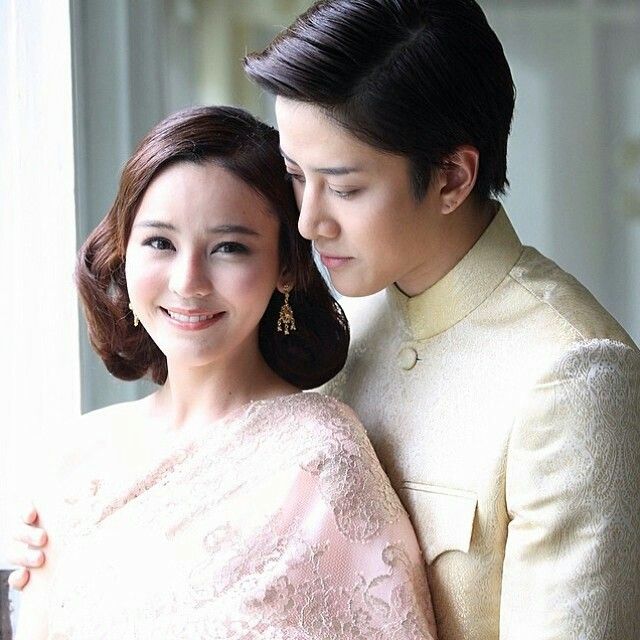
Similar to Western fans, Asian fans of the drama engage in the process of negotiating cultural hybridity by becoming producers themselves. The Thais, in their adaptation of FullHouse, showcased elements of Korean culture and Thai culture concurrently.
Aom, the Thai actress playing Song Hye Kyo’s character, was seen wearing a Hanbok in the Thai version of Full House, in what can be supposed to be an attempt to pay homage to the Korean roots of the original drama. Photo Credit: HALO Productions
The Thai version of Full House featured a Thai-style wedding. Photo Credit: HALO Productions
Hence, Korean dramas offer a chance for their fans in Southeast Asia to appropriate Korean culture and incorporate their own when producing a local version. This “hybridization of familiarity and difference is an essential aspect of [Korean dramas’] global appeal and reception” (Lee 366).
The Filipino version of Full House instantly hit the number two spot, with a 35% rating, when it was launched on Philippine prime-time television in 2005 (Souza and Mallari 1). Photo Credit: GMA
Appealing to Asian Sensitivities….
Many scholars also “relied on the notion of cultural proximity to explain the popularity of Korean dramas” (Part et al. 142). Asian values like filial piety feature in Full House as Ji Eun, upon losing her house to Young Jae, the only thing her father left behind for her, worked as Young Jae’s housekeeper to reclaim her inheritance. For her, it was not so much the monetary value of the house she prizes but the emotional connection to her father through her possession of the house.
The Vietnamse version of Full House Photo Credit: Dorama TV
This trope is consistent throughout the Southeast Asian remakes and the Thai version takes its portrayal of Asian values one step further. Instead of having the female protagonist’s best friends sell her house away, it was her cousin who betrayed her trust in the Thai version. However, the Thai drama creates more sympathy in its viewers because her cousin is shown to have difficulties of her own. There is also an arc where the female protagonist sought to help her cousin overcome her troubles, highlighting the importance of family and thus embodying the old Asian adage, “blood is thicker than water”.
Photo Credit: HALO Productions
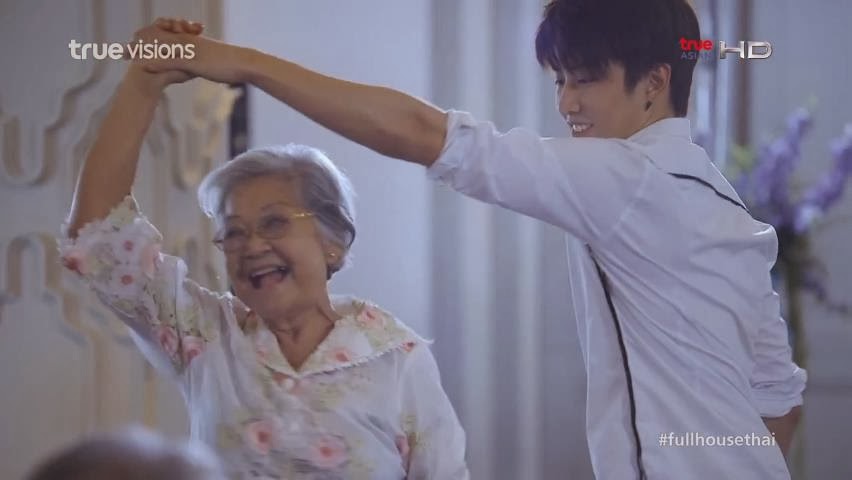
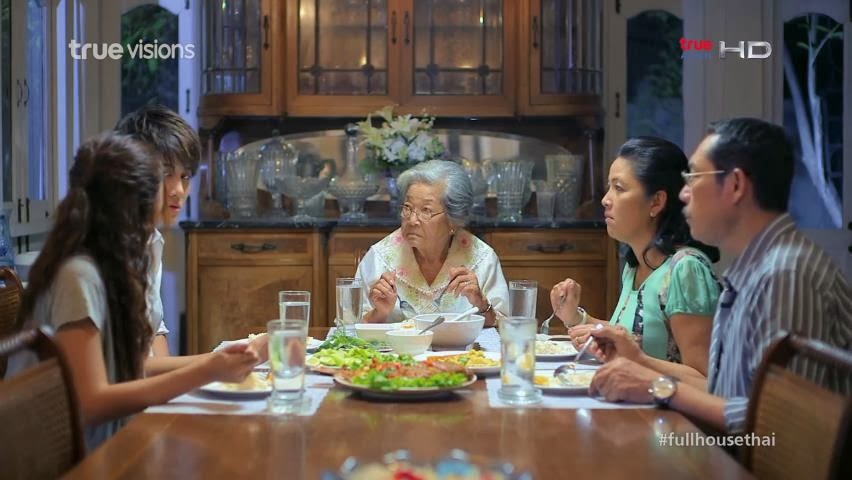
The fact that Asian values are emphasised more in the Thai version can also be observed in the scene where the male and female protagonist brought their grandmother out to dance as well as the family dinner scene. In both scenes, family bonding time is shown to be sacred and something to be protected.
Photo Credit: HALO Productions
Photo Credit: HALO Productions
Once again, the importance of family and respect for elders is at the forefront of the Thai drama.
Therefore, the Southeast Asians’ love for K-dramas can be explained with the argument that “audiences who are composed of a broad series of groups, not a homogeneous mass, make an active choice to view, read and interpret visual media texts and images including television in order to produce from them meanings that connect with their own social and cultural values and experiences” (Kim and Wang 438). “While some regard the shared cultural heritage as the basis for the pan-Asian popularity of Korean dramas, others claim that the very consumption of Korean dramas helps construct a sense of Asian identity, by enabling Asian fans to imagine their belonging to an East Asian community.” (Park et al. 142). Regardless of which way the issue is viewed, there can be no doubt that the common Asian values that are portrayed in K-dramas facilitates their acceptance by Asian audiences.
….Or Not
Although Full House appeals to traditional Asian sensibilities, it also propagates more liberal Western values such as cohabitation (under the guise of a contract marriage for the two lead characters). Nonetheless, the Korean drama plays its role as “a cultural mediator” (Park et al. 142).
Full House also subverts conventional Asian gender roles in which women are responsible for housework while men’s work lies in the public domain. The fact that Ji Eun is a homebody while Young Jae is a public figure very much solidifies this dichotomous gender relationship at first. Yet, later in the drama, Young Jae is the one who puts on an apron and picks up cleaning tools.
Photo Credit: KBS
The same happens in the Thai version where the male protagonist, Mike, cross-dresses with a mop in his hand as part of the female protagonist, Aom’s, daydream.
Photo Credit: HALO Productions
Full House thus feeds its viewers with alternative possibilities or fantasies that deviate from the gender roles that are usually depicted on Asian screens.
While it must be acknowledged that the drama still plays to the typical Asian idea of male chivalry by characterising the female protagonist as the damsel in distress, the story is also a Bildungsroman or a coming-of-age tale for the female protagonist. The female protagonist has to prove herself to her male counterpart and those around him (Liew 1). In Full House, Ji Eun is an aspiring writer who is eager to publish her first story and establish herself. As such, she often spends many sleepless nights perfecting her writing and even consults Min Hyuk for advice.
Photo Credit: KBS
Similarly, Aom is hard at work pursuing her dream of becoming an accomplished writer in the Thai version. Photo Credit: HALO Productions
Even though Full House connects with its Asian audiences through its representation of shared cultural values, it is also popular for defying some of these values and offering its Asian viewers a different worldview that its remakes aim to replicate.
Social Media
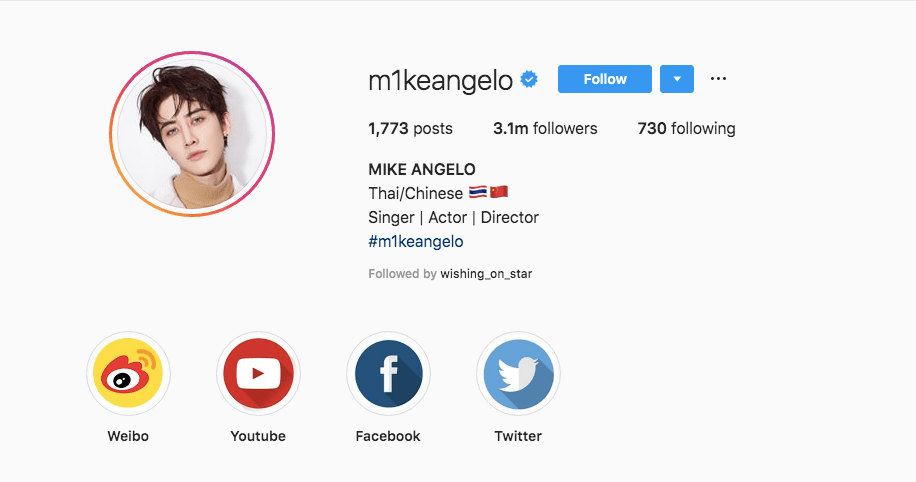
Unfortunately, the use of social media was not prevalent during the heydays of Full House. By 2014, when the Thai remake was completed, the Thai stars shot to fame on various social media platforms such as Weibo and Instagram. Their popularity in China also skyrocketed following the success of the drama and they were invited as guests on Chinese variety shows.
Aomike (the couple ship name) on Generation Show Photo Credit: ShenZhen TV
Social media is instrumental in promoting a drama to youth audiences especially. As examined in “the historical development of the Hallyu phenomenon in Indonesia”, changes are “in parallel with the rapidly digitali[s]ed mediascape of the country” (Jeong et al. 2301). The popularity of K-dramas like Full House is limited by “a generational difference between the middle-aged group and the younger group in terms of their consumption of transnational cultural products” which causes “disparities in the use of technology between generations (Jeong et al. 2302). Thus, the spread of the drama is subjected to the prevalence of social media and the ability of its audience to harness it to increase the drama’s accessibility.
Full House Revisited
Photo Credit: KBS
In conclusion, the presence of remakes attests to the Korean drama’s enduring resonance with Asian audiences. The South Korean government’s deregulation and support policies for the country’s cultural industries augmented its export success, which was further aided by the technological advancements that helped broaden the reach of Korean dramas. Asian viewers also gravitated to K-dramas as a result of South Korea’s economic development, which provided a model of what they could aspire towards. Furthermore, Full House, with its showcase of cultural hybridity, inspired drama tourism and invited its adaptations to come up with their own combinations of cultural mixes. Moreover, the popularity of Full House can be ascribed to its inclusion of Asian values that speak to its target audiences. Yet, there are also elements that are relatively non-Asian, particularly with the drama’s treatment of gender roles and female agency. Lastly, as seen from the case study of Indonesia, the drama’s popularity is dependent on the extent of social media penetration in its destination markets. There is a tendency for the drama to be more popular among younger audiences rather than older ones as the former is more tech-savvy.
Works Cited
Bacon, Candace. “Why Korean Dramas Are Popular.” ReelRundown, 27 Feb. 2019, reelrundown.com/movies/Korean-Wave-Why-Are-Korean-Dramas-Popular.
“Full House (South Korean TV Series).” Wikipedia, Wikimedia Foundation, 9 Sept. 2019, en.wikipedia.org/wiki/Full_House_(South_Korean_TV_series).
Frater, Patrick. “Korean TV Hit ‘Full House’ to Be Remade in China.” Variety, 21 Oct. 2014, variety.com/2014/tv/asia/korean-tv-hit-full-house-to-be-remade-in-china-1201335264/.
Jeon, Won Kyung. The ‘Korean Wave’ and television drama exports, 1995-2005. PhD thesis, University of Glasgow, 5 Sept. 2013.
Jeong, Jae-Seon, Seul-Hi Lee, & Sang-Gil Lee. “When Indonesians Routinely Consume Korean Pop Culture: Revisiting Jakartan Fans of Korean Drama Dae Jang Geum.” International Journal of Communication, vol. 11, no. 20, 2017, pp. 2288-2307., ijoc.org/index.php/ijoc/article/view/6302.
Kim, Sangkyun, and Hua Wang. “From Television to the Film Set: Korean Drama Daejanggeum Drives Chinese, Taiwanese, Japanese and Thai Audiences to Screen-Tourism.” International Communication Gazette, vol. 74, no. 5, 2012, pp. 423–442., doi:10.1177/1748048512445152.
Lee, Hyunji. “A ‘Real’ Fantasy: Hybridity, Korean Drama, and Pop Cosmopolitans.” Media, Culture & Society, vol. 40, no. 3, Nov. 2017, pp. 365–380., doi:10.1177/0163443717718926.
Park, Ji Hoon, et al. “The Rise and Fall of Korean Drama Export to China: The History of State Regulation of Korean Dramas in China.” International Communication Gazette, vol. 81, no. 2, Nov. 2018, pp. 139–157., doi:10.1177/1748048518802915.
Souza, Damian de, and Rene Mallari. “Full houses: Korean drama is enjoying “phenomenal” success in the Philippines. And the new formats for success are not being lost on local producers or Latin American telenovela distributors.” Television Asia, 1 May 2005.
Thornton, Stephe. “End of an Asian Icon: The ‘Full House’ Set on Sido Island Is No More.” Cloud USA, 24 June 2013, cloudusa.blog/2013/06/24/end-of-an-asian-icon-the-full-house-set-on-sido-island-is-no-more/.
For this week, I attended the second lesson of X1’s “Flash” dance class at Studio De S. More of the choreography was taught and things are getting a lot more challenging but as mentioned in the previous project update, I am prepared to work hard to master the choreography. To reflect this determination and remind myself to remain motivated till the end, this week’s blog post is titled, “Overcome”, after the name of the title track for NU’EST’s fourth mini album.
A photo taken before class started (before we got slayed by the intense choreography).
As usual, my friend, Jun, accompanied me to the dance class and it was just the two of us in the class that day as the third student could not make it. We started with the usual warm-ups and recapped last week’s choreography at eighty percent of the normal speed. I was quite glad that I had been a good student and made an effort to practise last week’s steps on my own prior to the class. As a result, both Jun and I were able to follow the steps of our dance instructor, Kei. I was really proud of us when she nodded her approval and moved on to teaching us the other parts of the choreography.
However, this was when things started getting a bit harder because there are now more steps to remember. At this point, I would like to mention that actually the moves for X1’s “Flash” are relatively easy to follow compared to the dances I have done in the past but the challenge lies in doing the moves powerfully and precisely when the song is at full speed.
After learning the new steps, we tried practicing the moves together with the music while linking the steps from the previous week. Although I made some mistakes, I could follow most of the steps and I was glad that I was able to do that even though the steps were newly taught to me. Memorising steps have always been the toughest part about dancing for me so I was particularly happy when I did not embarrass myself too much by messing up the moves.
Since we had mostly been practicing the song at eighty percent of the original speed, Kei then got us to try dancing at a hundred percent of the full speed. When we first heard the original speed of the song, both Jun and I were shocked because it felt like the normal speed of the song was just like the two times faster speed of other K-pop dances. This was when I acutely felt how talented the members of X1 are for being able to pull off such a fast song.
Nonetheless, we tried dancing at full speed for a few times. In fact, we both worked so hard that we were even practicing during our water breaks. This is a link to the video with our final run that day:
Unfortunately, I felt that the video does not do justice to our hard work. I think we were both tired from having to kneel down and stand up for the floor work in the dance such that our final run did not look as clean as I would have liked.
Yet, practice makes perfect so I am glad that through this lesson, I realised that I need to work more on my stamina and brush up on my steps. I will work on this before the next lesson and as usual I will post my progress on this blog. Despite the difficulties, I will stay true to my original intention of rising up to the challenge and eventually ‘overcome’.
Since last week’s project update was delayed, I am doing a double posting this week. This week’s blog post is titled “Action”, which is the name of NU’EST’s first mini-album and I thought this title was suitable because of multiple reasons.
First, from this week onwards, I will be embarking on the K-pop dance segment of my project which I am really excited about as it has been some time since I last danced. As this will be a relatively ‘active’ activity, I find there cannot be a better name for this update. Second, the word “Action” also brings to mind the ubiquitous cue that film directors always use to signal to actors to begin their acting performances once the cameras start rolling and I wanted to incorporate the performative aspect of K-pop dances into my title somehow too. Finally, a NU’EST song name is also an apt title for a blog update about a dance class on X1’s latest song because the latter had just come off Produce X 101, which was the very same survival show NU’EST had been on, two seasons earlier.
Photo Credit: Studio De S
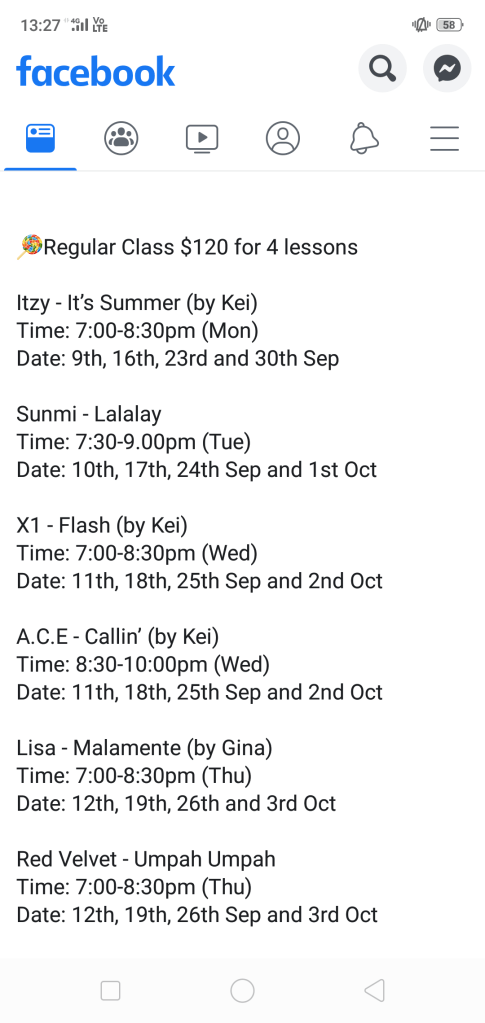
It was in consideration of such a special connection between these two groups that I have decided to sign up for X1’s regular class at Studio De S, a K-pop based performing arts school with classes taught by professional dance instructors from both Korea and Singapore. In fact, in that same week, the studio actually offers many other classes by other K-pop groups and the songs are usually the latest ones that were just released. Other than regular classes, the studio also offers open classes and it frequently updates its Facebook page with information about them.
From the videos I saw on the school’s Facebook page and from talking to the instructors, their students are mostly young people. They can be as young as 8 or 9 years old, because the school offers kids classes as well, to students around our age. They have guys signing up to take their classes too.
For me it is interesting to note how the K-pop dance following in Singapore is actually quite huge because you have a school that can literally sustain their model from teaching K-pop dance alone. I think this has to do with the active community of K-pop fans and fans of K-pop dances that allow for such a fast-paced turnover in terms of the dances that are taught.
Photo Credit: Studio De S
Besides that, I believe the fact that I had also watched X1’s season of Produce helped to stir my interest in their debut song. Since I am on the topic of Produce, I should also mentioned that this studio seems to be quite prestigious as I saw on its Facebook page that it occasionally invites star instructors to the studio to conduct classes as well. One of them being a famous dance instructor on Produce, Choi Young Jun.
Photo Credit: Studio De S
My friend, Jun (she got a brief mention in my previous update), who you may know is a huge K-pop fan after reading my previous blog post, recommended me to try out this studio and we decided to sign up for a class together.
That brings me to another reason why we chose to do a boy group dance instead of a girl group one. It was actually because both of us are not a fan of doing cutesy moves (no offense to any girl groups in the K-pop industry doing cutesy moves) and we wanted to challenge ourselves to do a boy group dance as there is a saying that boy group dances are more difficult (not sure how true this is though).
Anyways, both of us did our homework before going for class by watching X1’s “Flash” MV and their dance practice video to get a better idea of what we were signing ourselves up for. It turns out that we both really liked the dance and were excited to go for our first lesson. Especially for me, I spotted a few street jazz moves in the dance and since I am a fan of the genre, I immediately knew I had made the right choice.
For the first lesson, Jun and I decided to set off early for the studio in case we get lost but the studio was actually quite easy to find. It is about a 10-15 minutes walk away from Chinatown MRT station and you will need to take a lift to the second floor.
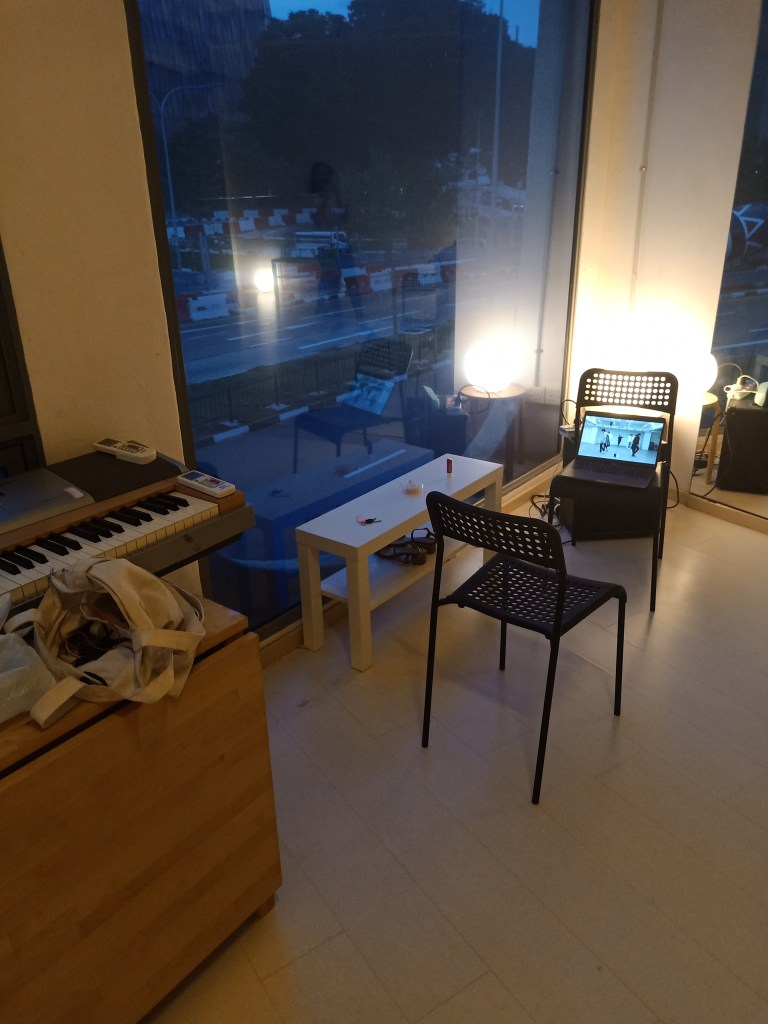
Once we reached the second floor, we had to ask around for the right studio because the classes were not indicated on the doors. Eventually, we found the right room and this was how it looked like on the inside:
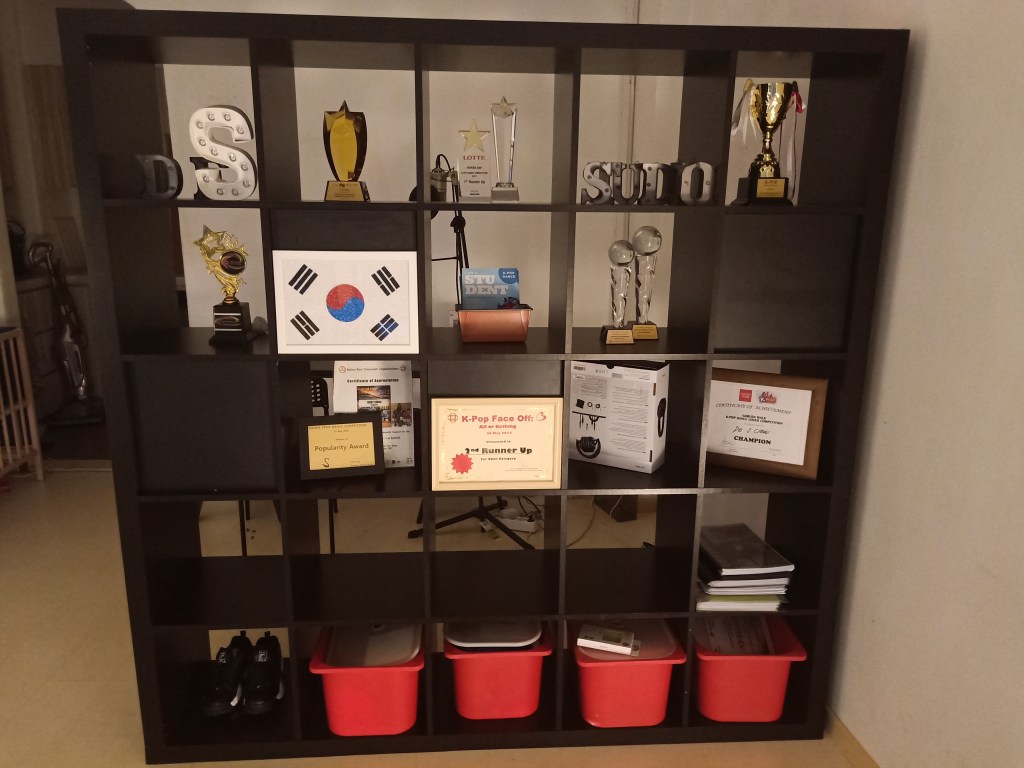
A shelf displaying awards won by the dance instructors which helped make the place look more ‘legit’.
A laptop playing the “Flash” dance practice video was already set up by our dance instructor.
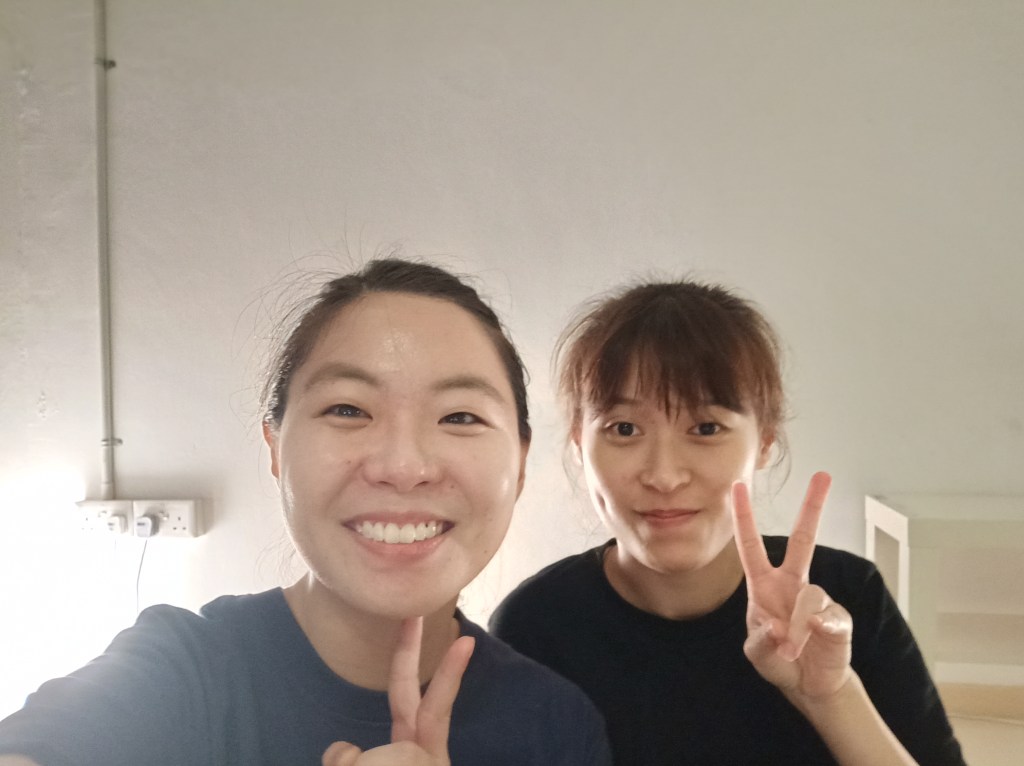
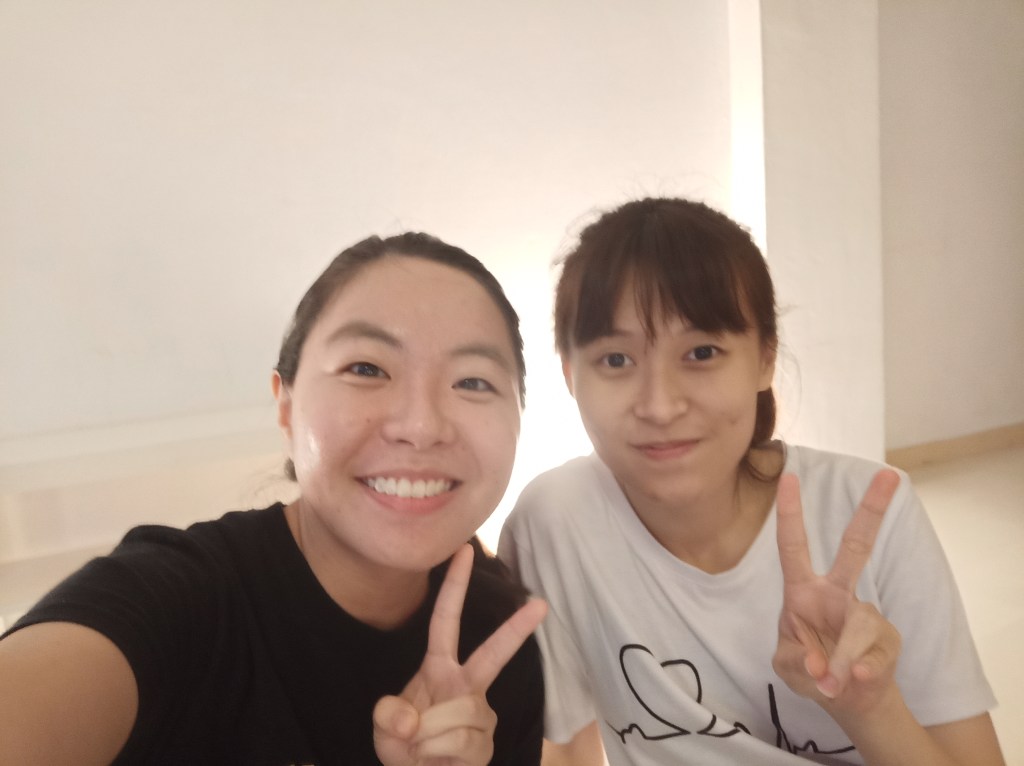
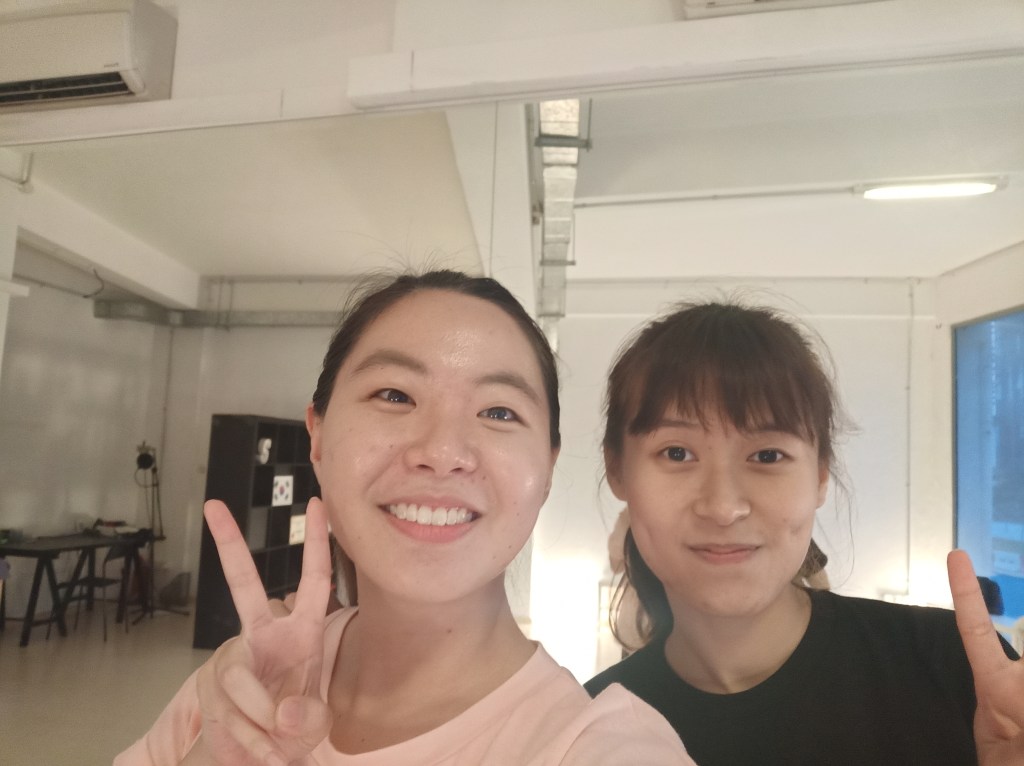
We had some time before class started so Jun and I took a commemorative photo.
Generally, we found the place to be very homey and well-maintained. The studio gave us a comfortable vibe and I was beginning to feel even more excited about taking classes at the studio.
For that day’s class, there were only three students in total including us. Apparently, that was a number that was smaller than the average four to five students the studio typically expects for regular classes. We were talking to our dance instructor and she told us that it is quite normal because people sometimes only like a certain part for some songs and they would choose to go for open classes where they can learn just that specific part instead. While we were initially surprised at the small class size, we did not really mind it because it felt like we were having our own private class. It was also interesting to see a male student in the dance class who likes k-pop as well.
After some warm-ups, the dance instructor proceeded to teach us the steps for the chorus and she added some more parts after seeing that we were able to catch the steps quite quickly. Overall, the one and a half hour experience was really fun because our dance instructor was so nice and friendly and especially patient with us. For me, the feeling of going back to dancing again was refreshing and the familiar sense of accomplishment I felt at being able to at least complete a small part of the dance was truly palpable.
Here is a link to our dance practice video after our very first session (I am the one in pink):
As you can see, I still do not have all the moves down precisely yet but I think this is exactly what I would like to show through my project updates. Not a perfect clean version of a K-pop dance cover but my gradual improvement and progress over the next few weeks. Although it is uncommon to showcase imperfect dance covers on public platforms such as blogs, I would like to focus more on the process and less on the end product. My objective is to simply celebrate little milestones, no matter how small they may be and also just the fact that I was able to do the same dance as these talented idols while perhaps getting a glimpse into the kind of hard work they had to put in for the amazing dance performances we always see on stage. Wish me luck and please kindly bear with the clumsiness you may witness from me over the next few weeks. I will try my best to post on time so do keep a lookout on this blog for updates!





















































 Rachel's Blog